
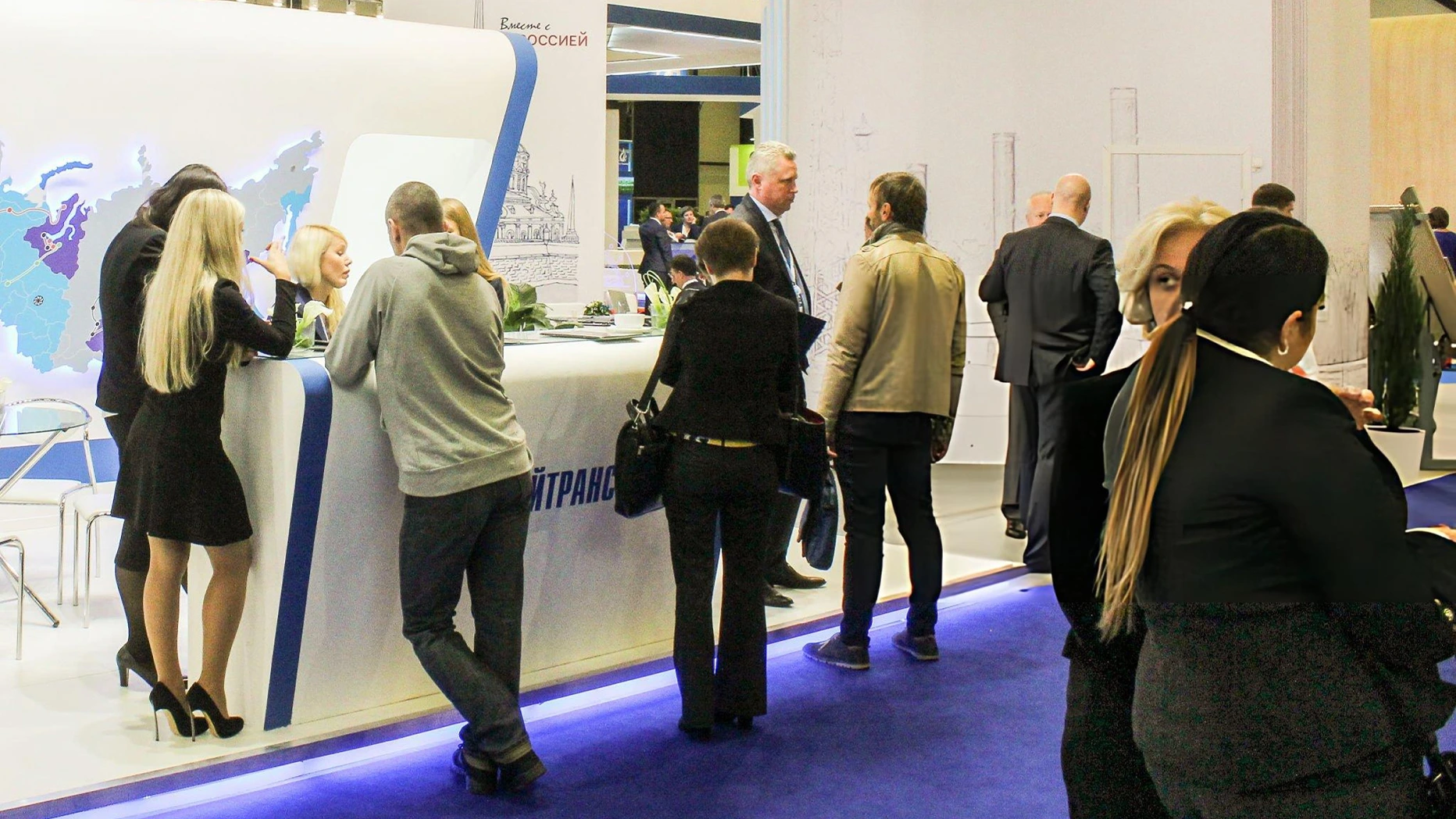
Trade shows are not just events.
They are high-stakes moments for brands to show up, stand out, and make connections that matter. But most of the work happens long before the doors open. Before the booth, lights, and anyone walking in, there’s a document that can shape everything: your RFP.
A well-built RFP (Request for Proposal) can help businesses avoid stress, overspending, and last-minute surprises. It acts like a roadmap for suppliers, clearly explaining what is needed, when, and how it should all come together.
And when it comes to events in London, where time, quality, and budgets are tight, your RFP must be clear, smart, and tailored. A good RFP can save you time, money, and stress. In fact, according to the Events Industry Council, clear RFPs reduce misunderstandings by up to 30%, which means fewer delays and more accurate quotes.
Let’s walk through how to build a better RFP for your next trade show exhibit, step by step, with real tips, comparisons, and reasons why each one matters.
Start With The Basics: Who, What, Where, When, and Why?
An RFP starts by answering simple but powerful questions.
- What does your business do?
- What makes it different?
- Who’s your target audience?
- What are your goals at this trade show?
- Where will it happen?
- When is it?
- And most importantly, are you generating leads, launching a product, building relationships, or boosting visibility?
This section helps suppliers understand your goals.
For example, if you’re showcasing a new product, you might need strong lighting and dedicated display zones. If you’re collecting leads, maybe screens, seating areas, and tablets will be key.
Why it matters: It avoids confusion. Suppliers can bring better ideas when they understand your purpose.
When you need it: Always. This should be the first thing written in your RFP.
| 📊 Stat to note: 92% of exhibitors say their primary reason for participating is brand awareness, followed by lead generation and networking. |
Share Company Info That Actually Matters
Skip the long mission statement. Instead, provide:
- A short brand summary (What you do + who you serve).
- Your tone (Fun and bold? Clean and corporate?).
- Brand colours and logo files.
- Any design dos and don’ts (No dark backgrounds? No clutter?).
This helps creative teams align the visual elements with your identity, making your booth look like you, not a copy of someone else.
Get Specific With Your Exhibit Requirements
Don’t just say, “I need a booth.” Tell them exactly what you’re after:
- Booth size: 3 × 3 m? 6 × 4 m? Custom size?
- Structure type: Shell scheme or custom build?
- Layout: Meeting space? Product display? Reception area?
- AV needs: How many screens? What size? Will you play videos?
- Furniture: How many chairs? Any counters or literature stands?
- Lighting: Bright and bold? Soft and ambient?
- Storage: Where will staff keep belongings and materials?
This is your chance to draw a clear picture with words. Add reference photos if you can (booths you like or dislike). Suppliers can then match your needs with accurate suggestions.
Why it matters: Vague RFPs lead to vague results. Clear descriptions save time, money, and back-and-forth edits.
When to include: Always. This is the heart of your RFP.
If you’re unsure, EMS Exhibitions can help you build the list during early planning, but your RFP should still state what areas you know you’ll need support with.
Share Your Floor Plan Or Stand Size
If the trade show has already given you a stand size (like 3×6 m or 6×6 m), include it. If there’s a floor plan, attach that too. If not, describe what kind of space you want: corner stand, in-line, or island.
Suppliers need to know the layout to plan walls, lighting, AV screens, and how visitors will flow through your booth.
- Why It Matters: It avoids last-minute redesigns or things not fitting correctly.
- When You Need It: As early as possible, especially if space is tight or shared.
State Your Budget Range (Yes, Really)
Many people skip this, thinking it’s better to keep it open. But that’s a mistake. Giving a budget range (even a rough one) helps suppliers suggest smart, cost-effective options.
For example, if the budget is tight, they might suggest renting LED screens instead of buying them or using printed fabric graphics instead of custom walls.
Also, explain what the budget includes:
- Design and build.
- AV hire.
- Furniture and graphics.
- On-site setup/breakdown.
- Logistics and transport.
This prevents under- or over-delivery.
Some rental companies, like EMS Exhibitions, offer flexible, budget-friendly packages tailored to your needs, without surprises.
Outline Technical Requirements And Restrictions
Every venue has rules. So does every trade show.
Don’t assume suppliers know the fine print. In your RFP, mention:
- Power supply locations.
- Rigging or height limits.
- Fire or safety codes.
- Venue-specific loading times.
- Storage availability (on-site or off-site).
The more you include here, the less chance of last-minute surprises.
Set Deadlines And Review Stages
Time is money. If your suppliers don’t know when you need things, you’re inviting chaos.
In your RFP, include:
- When the proposal is due.
- When the design must be approved.
- When installation happens.
- When should it be complete?
Stick to hard dates, not “sometime next month.” A typical trade show schedule runs on precision, not guesswork.
Request Visual Mockups or 3D Design Concepts
A good booth doesn’t happen by accident. Ask suppliers to include:
- 3D renders or mockups.
- Sample layouts.
- Material samples (if custom builds are involved).
This helps you see the concept early and make changes before things go into production.
EMS Exhibitions offers full CAD design and visualisation support to bring your ideas to life before build time begins.
Ask About On-Site Support
Many clients forget this and regret it.
AV issues, lighting glitches and stand damage can happen.
Include a line in your RFP asking:
“Does your proposal include on-site technical support during show hours?”
This means a real person will be there, ready to fix problems fast. At EMS Exhibitions, we offer full event support in London. That means if a screen dies, someone is there to fix it. You don’t want to be the one under the table checking wires.
Add A Q&A Section For Suppliers
A smart RFP includes a spot for questions. Suppliers might have things they need to know, like how many staff you’re sending or if power outlets are included.
Give them space to ask, and offer clear contact info for quick replies.
Share Your Evaluation Criteria
How will you choose your supplier? Be upfront. Will it be based on:
- Creativity in design?
- Price/value?
- Technical capabilities?
- Experience with similar clients?
- Full-service support (AV, furniture, lighting, logistics)?
Let them know how you’re scoring their proposals. For example: 40% design, 30% price, 30% experience.
Comparison: What A Strong RFP Looks Like
| Feature | Strong RFP | Weak RFP |
| Company Info & Goals | “We provide eco-packaging to UK retailers. We want to generate 300 leads.” | “We sell stuff.” |
| Exhibit Needs | “6×4 m space, 2 screens, storage, demo zone, seating.” | “We need a booth.” |
| Budget | “£12,000-£15,000, incl. AV, furniture, install.” | “Just quote it.” |
| Timeline | “Proposals by 1 July; installation by 8 September.” | “ASAP.” |
| Evaluation | “Design 40%, Price 30%, Experience 30%.” | “We’ll decide later.” |
Use Clean, Clear Formatting
Even the best content gets ignored if it’s hard to read. Keep it simple:
- Use short paragraphs and subheadings.
- Add bullet points where needed.
- Use bold for key items (like deadlines or deliverables).
- Avoid industry jargon or over-explaining.
Pro tip: Read it out loud. Reword it if you wouldn’t say it that way in a real conversation.
Make It Ethical And Fair
A professional RFP doesn’t play games. It treats every bidder equally.
Set rules like:
- Everyone receives the same info.
- All responses are due on the same date.
- Shortlist interviews (if any) will be done in the same format.
And when you pick a supplier, let the others know. A short thank-you email with general feedback goes a long way toward building respectful industry relationships.
Compare Suppliers Fairly
Once you receive proposals, compare them clearly. Here’s a quick overview to help:
| Supplier | Price | Design Quality | Support Included | Delivery Time |
| Supplier A | £12,000 | High (Custom build) | Full event support | 2 weeks before |
| Supplier B | £9,500 | Medium (Modular) | Setup only | 1 week before |
| Supplier C | £11,000 | High (Custom) | Setup + On-site tech | 3 days before |
It helps you see who offers the best value, not just the lowest cost.
A Better RFP = A Better Trade Show
The quality of your trade show experience depends on what you build before you hit the floor.
With a clear RFP, you’ll avoid:
- Late designs.
- Budget blowouts.
- AV breakdowns.
- Confused suppliers.
Instead, you get peace of mind, better service, and a booth that turns heads.
And when you’re planning a trade show in London, EMS Exhibitions is here to support every step, with booth rental, shell scheme hire, AV and lighting, furniture, full exhibition equipment, and expert event techs on the ground.
Start smart, build better, win big.