
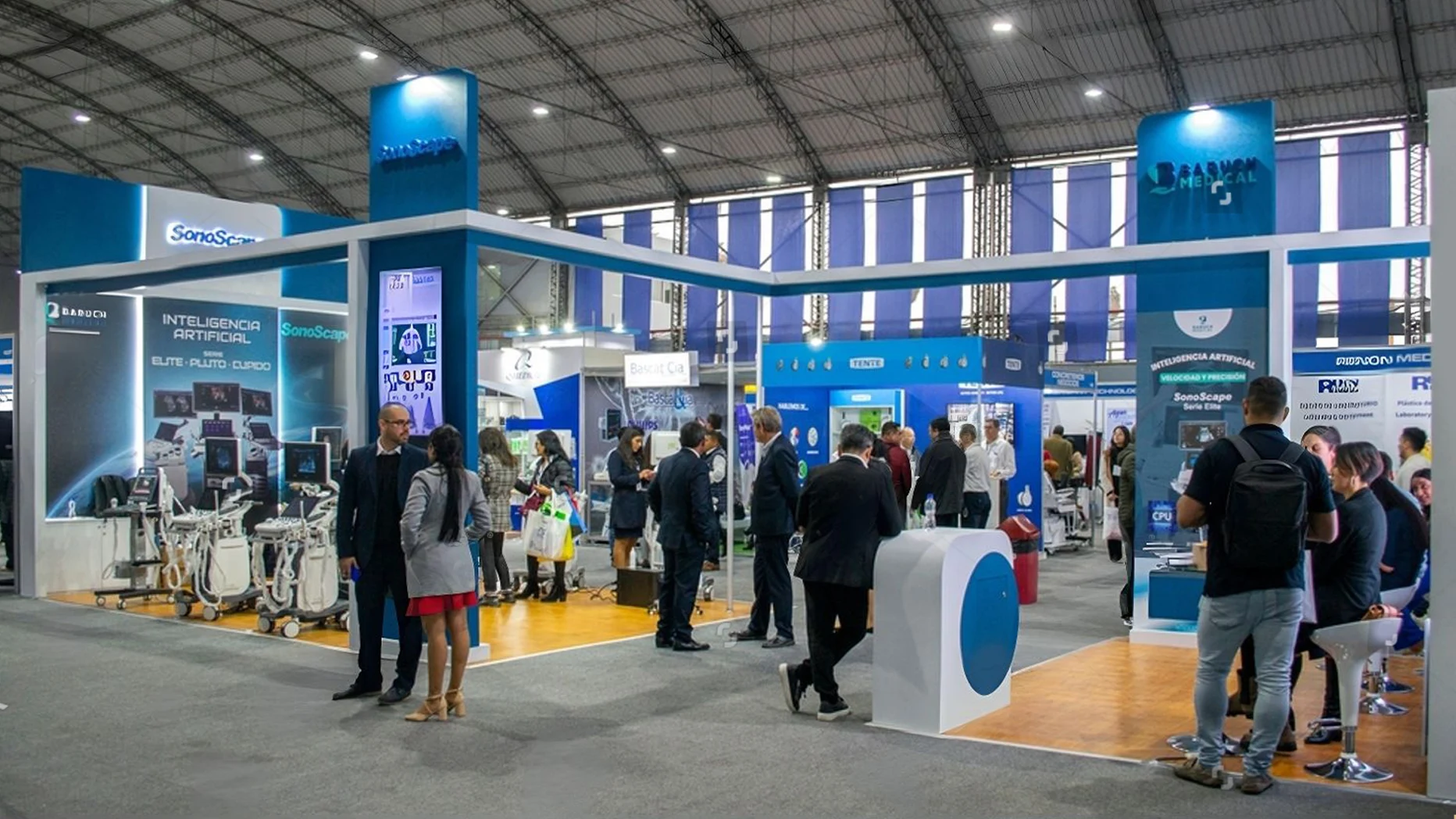
Building connections and credibility is one of the pillars that help a business grow and become known in the market. And trade shows are the finest platforms to leverage due to their concentrated environments, where human interaction, physical presence, and thoughtfully designed exhibition booths help create credibility.
In today’s digital era, a tactile and face-to-face trade show experience allows visitors to feel your brand the way they might not with online communication. The booths, hospitality, branded objects, and the atmosphere you curate play a critical role in communicating reliability, professionalism, and more importantly, trust.
Imagine if a single element or object of your brand on a desk can reinforce your brand daily, how a trade show can multiply the effect across hundreds of people in just a single weekend.
But successful trade shows do not happen by accident. You need cautious and strategic planning and attention to detail across various touchpoints. Every detail matters, from booth design to team behaviours, pre-show networking and follow-ups, when it comes to improving your brand’s perception and building relationships.
This article explores how you can leverage trade shows effectively, covering every element from preparation to post-event engagement, using research-based insights, data, and real-world examples.
Why Trade Shows Are Still Important?
The importance of trade shows in building credibility and connectivity once again emerged during the COVID-19 pandemic. Virtual events and meetings might convey the information, but they cannot replicate shared experiences, subtle cues, and concentrated energy that always come from being in the same space.
Studies by MIT and Yale exhibit that in-person conversations help activation of brain regions related to attention, memory, and trust much more than video calls. Also, studies highlighted in Harvard Business Review found that face-to-face interaction generates stronger corporate relationships and builds trust more than emails and virtual meetings do.
Trade shows simulate months of networking, relationship building, and creating a brand impression into just a few days. Having buyers, competitors, media, and influencers in one place, you get a rare opportunity to make a mammoth impact.
According to UFI’s 2024 report, exhibitor rank trade shows are among the top three effective B2B channels when it comes to ROI, and second only to direct sales.
All in all, if your physical presence in a trade show is designed strategically, it can hugely amplify the credibility and growth of your business.
The Concept of Strategic Physicality
Strategic physicality refers to the intentional, designed use of physical presence, space, and, in some contexts, bodily action to build trust, enhance credibility, and create a competitive advantage. It involves leveraging face-to-face interaction and physical environments to deepen relationships, often as a counterpoint to digital-only strategies.
Particularly, if you are among the companies that offer intangible products or services such as finance, law, marketing consultancies, these physical cues are often the most perfect way to communicate your brand credibility.
Strategic physicality operates at multiple levels. Your booth is a media platform, your hospitality suite conveys exclusivity, and the objects you hand out reinforce your brand long after the show ends. Together, they create an ecosystem of trust that extends from the event itself into daily routines.
Preparing for Trade Show Success
Exhibiting without preparation is a common mistake. Effective preparation begins long before the show opens and involves more than logistics. Start by setting clear goals: what do you hope to achieve in terms of leads, appointments, sales, partnerships, or brand visibility? Define measurable KPIs and communicate them to your team so everyone understands their role in contributing to these objectives.
Next, develop a detailed game plan. Research attendees, key decision-makers, speakers, and exhibitors in advance. Identify opportunities for one-on-one meetings, and schedule these appointments before the show whenever possible. Many of the most valuable conversations take place off the exhibit floor, at dinners, hospitality events, or private meetings, which are often booked weeks ahead. Treat these interactions as part of your trade show strategy, not just supplementary activities.
Finally, train your team thoroughly. Rehearse your elevator pitch, practice addressing common questions, and role-play different scenarios. Preparation ensures confidence, consistency, and the ability to adapt spontaneously to new opportunities.
Booth Design and Engagement
Your booth is the most visible representation of your brand, and it functions as a form of physical media. Every design choice communicates a message, whether about professionalism, creativity, or reliability. A successful booth balances aesthetics with functionality and encourages engagement rather than creating barriers.
Avoid positioning your team behind a high counter, as this creates a psychological boundary that discourages conversation. Instead, stand at the front, maintain open sightlines, and actively welcome visitors. Your booth should include interactive elements, demos, presentations, or hands-on experiences that allow attendees to engage meaningfully with your product or service. Well-chosen branded objects, such as high-quality giveaways, extend the impact of your booth into attendees’ daily lives. A thoughtfully designed booth communicates credibility, professionalism, and attention to detail, all of which reinforce trust.
Behavioural Best Practices for the Show Floor
The way your team behaves at a trade show can dramatically influence outcomes. Seven key behaviours consistently lead to success:
- Preparation and rehearsal: Equip your team with practised pitches, anticipated questions, and role-play exercises to build confidence and fluency.
- Branded clothing: Team attire should reinforce your brand identity, creating cohesion and recognition. Including a plain-clothed team member can spark curiosity and draw attendees to your booth.
- Selecting the right personnel: Choose personable, natural conversationalists who can engage visitors authentically. Long days demand stamina, energy, and approachability.
- Eliminating barriers: Physical and psychological accessibility matters. Always be present and approachable, never retreating behind desks or devices.
- Pacing the team: Rotate tasks and schedule breaks strategically to maintain energy, focus, and enthusiasm throughout the event.
- Engaging with visitors: Approach each encounter as a conversation, not a transaction. Listen actively, identify needs, and respond thoughtfully.
- Effective follow-up: Timely, personalised follow-up reinforces the connection. Include specifics from your conversations to show attentiveness and care.
These behaviours, when executed consistently, demonstrate professionalism, empathy, and credibility, qualities that leave lasting impressions beyond the show.
Building Meaningful Connections
Networking is more than collecting leads; it is about forging relationships that can evolve into future business, collaborations, or opportunities. To connect meaningfully with attendees, consider these strategies:
- Ask their opinion. Engage them in discussions about industry trends, challenges, or innovations. People value being heard, and thoughtful listening signals respect.
- Use their name naturally in conversation to reinforce connection. Memory aids, like associating a trait or hobby with their name, can help with retention without being obvious.
- Observe and remember personal details. Noticing what someone is passionate about, their interests, or family mentions allows you to engage more authentically in future interactions.
- Reconnect intentionally. Don’t leave ongoing communication to chance. Follow up via email, social media, or scheduled meetings to show that you care about the relationship.
- Listen more than you talk. Aim for a ratio of 80% listening to 20% speaking, allowing you to understand their needs and tailor your approach.
Building these connections requires genuine curiosity and attentiveness. Exhibitors who prioritise meaningful interactions consistently outperform those who focus solely on surface-level lead generation.
Leveraging Technology
Technology is a powerful enabler for trade show success. Event apps, QR codes, lead capture software, and digital business cards streamline networking, scheduling, and follow-up. When integrated with a CRM, these tools allow you to track interactions, manage leads, and nurture prospects efficiently. Social media can amplify your presence before, during, and after the event, creating engagement that extends beyond the show floor.
Experiential Marketing and Hospitality
Experiential marketing is about creating tangible experiences that make your brand real to attendees. This can range from large-scale initiatives, like in-store activations or immersive brand experiences, to subtle touches, like the atmosphere in your hospitality suite. Every sensory cue, lighting, sound, tactile materials, and conversation, reinforces memory and credibility. Off-floor events, like dinners, workshops, or private meetings, often yield deeper engagement than booth interactions alone, offering opportunities for high-value relationships.
Post-Show Strateegy
Your trade show strategy extends beyond the event itself. Follow-up is critical:
- Send timely, personalised emails referencing conversations and shared interests.
- Connect on LinkedIn or other social platforms, engaging with content to remain visible.
- Schedule follow-up meetings to explore opportunities identified during the show.
- Reflect on successes, challenges, and areas for improvement to optimise your next event.
The effectiveness of your post-show follow-up often determines the ultimate ROI of the trade show , turning interactions into tangible business results.
The Long-Term Value
Trade shows are high-investment events, but when executed strategically, the rewards are substantial. They accelerate trust, create deep connections, and offer concentrated opportunities to observe competitors, understand market trends, and reinforce your brand. For organisations offering intangible services, the strategic use of physical presence, through booths, hospitality, objects, and team behaviour, serves as tangible proof of credibility.
Every detail counts. From the way your booth is designed to how your team interacts with visitors, from the giveaways you select to the follow-up you execute, trade shows are a platform where deliberate action translates into long-term relationships, increased trust, and measurable business growth.
Take Your Trade Show Strategy to the Next Level
Executing a successful trade show requires more than just showing up; it demands strategy, preparation, and a team ready to engage. From booth design to experiential marketing, networking to follow-up, every detail contributes to building credibility and long-lasting relationships.
If you’re ready to elevate your trade show presence and ensure every event delivers measurable results, EMS Exhibitions can help. With decades of experience designing immersive booths, managing logistics, and creating engaging experiences that maximise your ROI, EMS Exhibitions is your partner for success. Whether it’s a local industry expo or a large-scale international event, their expert team can guide you from concept to execution, helping you make a lasting impression on every attendee.
Don’t leave your trade show success to chance, partner with EMS Exhibitions and turn your presence into tangible results. Contact EMS Exhibitions today to start planning your next show-winning strategy.