
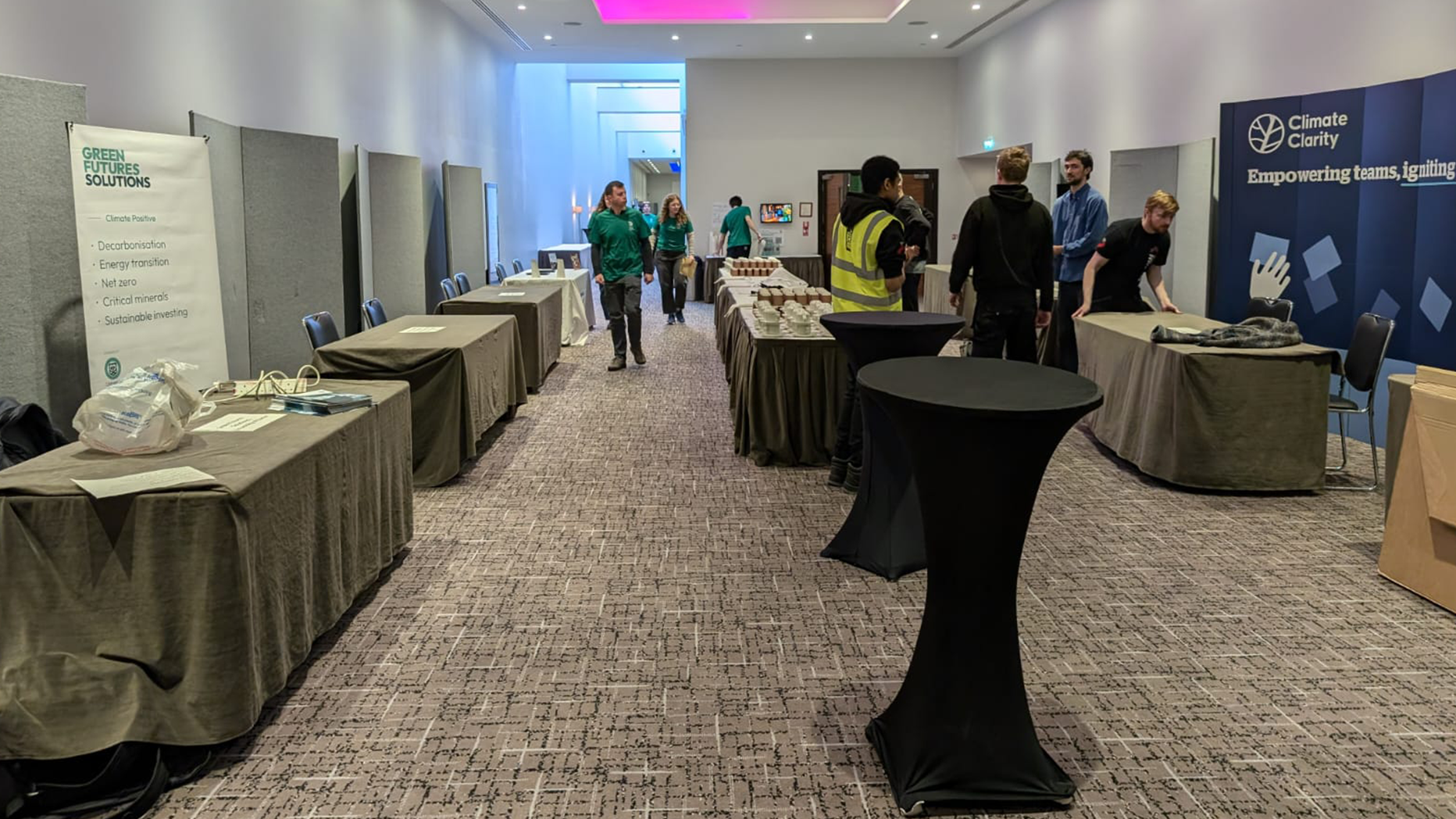
When planning your trade show exhibit strategy, one of the biggest decisions you will make is whether to rent, purchase, or use a hybrid booth. Each option has its own advantages and challenges, making it crucial to align your decision with your budget, branding needs, and long-term goals.
Rental, Purchase Or Hybrid: Which One To Choose
Deciding on one exhibiting strategy for your trade show presence can be pivotal for your business. Understanding the choices between renting, purchasing, or a mixture of both narrows down to many factors.
Below, we discuss the pros and cons of each approach to help you determine which is best for your business.
Renting An Exhibition Stand
Renting an exhibit is great for companies seeking flexibility and lower upfront costs. This approach allows businesses to adapt their booth designs for different events without committing to one and only one.
Advantages Of Renting It
- Flexibility: Choose different exhibit sizes and designs based on the specific trade show requirements.
- Convenience: Many rental companies handle logistics such as shipping, setup, teardown and maintenance.
- Cost control: Avoid expenses related to long-term storage, refurbishment and maintenance.
- Adaptability: Easily update graphics, technology, and design elements to match different events.
Challenges Of Renting A Booth Stand
- Renting a booth for multiple events over several years can become more expensive than purchasing one.
- Since rental booths are pre-designed, they may not fully align with your branding needs.
Renting An Exhibition Stand Is Best For:
- Businesses that attend only a few trade shows per year.
- Companies that are testing the exhibits’ potential before fully committing to them.
- Brands exploring new markets and event types.
Purchasing An Exhibit Stand
Purchasing a booth is an investment that provides complete control over the design and branding of your exhibit. Owning a booth can offer consistency and cost savings for companies with a long-term trade show strategy.
Advantages Of Purchasing Booths
- Full customisation: Design the booth to align perfectly with your brand identity.
- Long-term cost savings: While the upfront cost is higher, purchasing a booth is less costly for companies that frequently participate in expos.
- Brand consistency: Using the same exhibit across multiple events creates a recognisable presence.
Challenges Of Purchasing
- High initial investment: Requires significant capital upfront to design and build the booth.
- Stage and maintenance costs: Owners are responsible for storing and maintaining the booth between trade shows.
- Limited availability: Making changes or updates to a purchased exhibit can be costly and time-consuming.
Purchasing Stands Is Best For:
- Companies with a consistent trade show schedule.
- Businesses that want full creative control over their booth design.
- Brands prioritising short-term savings.
Hybrid Approach: The Best Of Both Worlds
The hybrid approach combines both rented and purchased components. It offers a perfect balance between flexibility, customisation and cost-effectiveness.
Advantages Of A Hybrid Exhibition Strategy
Own key elements of the booth, for example, you can rent the following:
- The main structure can be bought easily as a modular scheme.
- Some of the branding components.
- Modular add-ons like furniture and lighting.
You can choose to fit different events.
- Reduce upfront investment by only purchasing essential components while renting additional elements as needed.
- Mix and match rented elements by adjusting booth size and design depending on the trade show’s requirements.
Challenges Of A Hybrid Approach
- Managing both owned and rented components requires coordination to ensure a seamless setup.
- Mixing rental and purchased elements can lead to slight design variations that affect brand uniformity.
Hybrid Approach Is Best For:
- Companies with varying trade show needs can get full benefit from this.
- Businesses looking to scale their presence without a significant financial commitment.
- Brands that want customisation without the full burden of ownership.
Key Considerations For Decision Making
When choosing between renting, purchasing or adopting a hybrid approach, consider the following factors:
1. Budget Constraints
- Renting is ideal for short-term cost control, while purchasing can be more cost-effective in the long run.
- The hybrid allows for a balance between minimising costs and maintaining a strong brand presence.
2. Frequency Of Participation
- Purchasing might be the better financial decision if you attend multiple trade shows annually.
- If you exhibit occasionally, renting can help you avoid unnecessary storage and maintenance costs.
3. Branding And Customisation Needs
- If maintaining a strong and consistent brand image is a priority, purchasing is the way to go.
- Rentals offer less customisation but allow for easy updates and modifications for different shows.
4. Logistics And Storage
- Owning a booth means you will need storage space and a transportation plan.
- Renting eliminates the hassle of long-term storage but may require more frequent coordination with rental providers.
5. Scalability And Future Growth
- A hybrid strategy can save a lot for companies planning to scale their trade show presence.
- If your company is still experimenting with trade shows, renting is safer.
Final Thoughts
There is no one size fits solution when it comes to trade show exhibit strategy. Whether you rent, buy or take a hybrid approach depends on your company’s:
- Trade show frequency.
- Branding needs.
- Financial resources..
- Long-term growth plans.
Moreover, by closely weighing the pros and cons of each option, you can make an informed decision that aligns with your strategic goals.
Are you looking for professional help to make a better decision? Contact our team today for free and better consultation.