
Going green in exhibiting means designing stands and operations around reusable structures, digital-first content, efficient lighting, smarter logistics, better catering and clear waste systems. So your events use fewer resources, cost less over time and are easier to defend to venues, stakeholders and visitors.
There comes a point in planning every exhibition where someone says, “We should make this one greener.”
It sounds reasonable. Then the questions hit.
- Does that mean no print?
- Different materials?
- New suppliers?
- More cost?
Meanwhile, the stand still has to look good, work for sales, keep the venue happy and not melt your budget.
The truth is, going green in exhibiting isn’t about perfection. It’s about making better choices, show by show, that cut waste, save energy, and still deliver a strong visitor experience.
What Does “Going Green” Really Mean For Exhibiting?
In exhibitions, sustainability is about managing the full lifecycle of your presence, from how stands are built, shipped, powered, used and dismantled, so they create less waste, use less energy and support people and local communities.
Sustainability isn’t just a poster in the organiser’s office anymore. In the events world, it’s increasingly guided by standards like ISO 20121, which define a sustainable event as one that manages its environmental, social and economic impacts responsibly across the entire planning and delivery process.
Big venues and organisers have picked this up. In Spain, for example, IFEMA Madrid has woven sustainability into all of its fairs, aligning with multiple ISO standards and actively measuring its carbon footprint for each event.
For exhibitors and organisers, that means “going green” isn’t a side project. It touches:
- How are stands designed and built?
- How are materials transported and stored?
- How much energy, print and packaging do you use on-site?
- What happens to stands, graphics and waste when the show closes?
It’s less about grand gestures and more about hundreds of small, sensible decisions.
Design Stands To Reuse, Not Replace
The greenest stand isn’t the one made from trendy material for one event; it’s the one you can reconfigure and reuse across your whole show calendar.
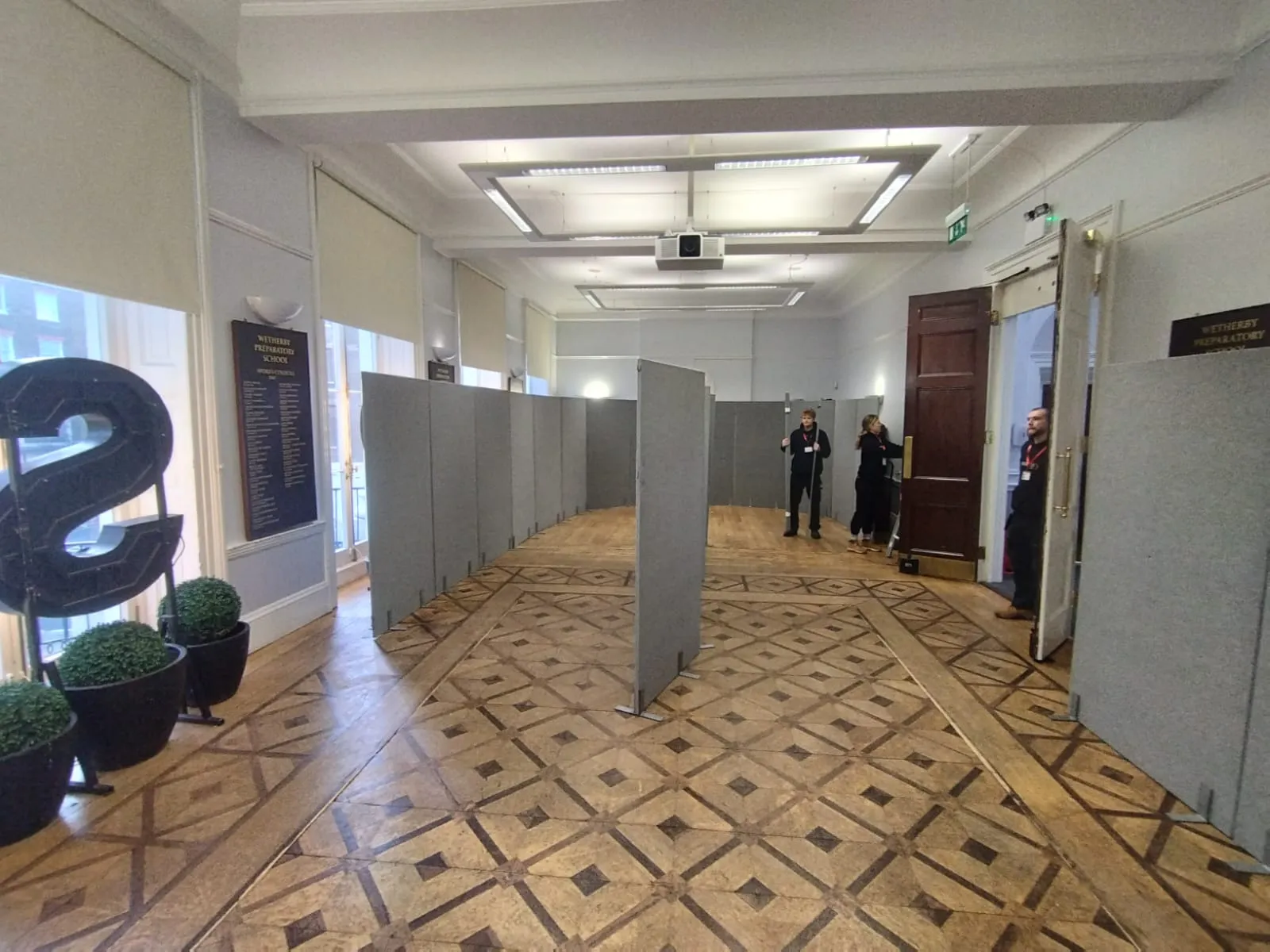
Traditional “one-off” custom builds look impressive on day one and painful on day three, when skips fill up with timber, graphics and carpet. More and more stand specialists argue that modular, reusable exhibition stands are now the most sustainable model, because they’re designed to be rebuilt again and again.
Reusable systems usually rely on:
- Aluminium frames or other durable structures.
- Fabric or panel graphics that can be swapped without rebuilding the frame.
- Standardised components that can form a 3×3 at one show and a 6×4 at the next.
Some stand builders report using over 90% reusable materials across client exhibits, precisely because these systems stay in circulation rather than going to landfill after a single use.
For UK organisers and exhibitors, this often runs through shell scheme and modular hire systems provided by trade show service companies in London. Contractors like EMS Exhibitions hold large stocks of shell schemes, display boards, flooring and furniture, which are refreshed and reissued across many events instead of being built from scratch each time.
The practical upside? Once you commit to a reusable setup, each new show becomes an exercise in reconfiguration and re-skinning, not reinvention.
Cut Paper, Go Digital-First
Swapping stacks of brochures for QR codes, screens and digital check-in cuts waste, saves money and gives you better data on who engaged with what.
Walk the halls of any large show, and you’ll see it: piles of brochures left on counters, leaflets in bins, printed catalogues in boxes that never get opened. It’s not just untidy, it’s expensive and wasteful.
Digital tools offer a cleaner path. QR codes, for example, are now widely used to replace printed menus, guides and brochures, allowing brands to cut paper, reduce printing costs and shrink their carbon footprint.
You can apply the same logic to exhibiting:
- Put QR codes on stand walls and counters linking to brochures, price lists, or demo videos.
- Use tablets or touchscreens to host product tours and case studies.
- Move to digital event check-in, using mobile apps or QR-based systems instead of paper lists.
For exhibitors, the hidden bonus is data: digital assets can be updated overnight and tracked. So you know what visitors actually looked at. That makes post-show follow-up more targeted and less guesswork.
Print what truly needs to be physical. Let everything else live on screens and phones.
Use Less Energy On The Show Floor
LED lighting and efficient AV are simple swaps that dramatically cut energy use while keeping your stand bright and visible.
Lighting and screens are some of the most power-hungry bits of an exhibition. Fortunately, the technology is on your side. According to the Department of Energy and multiple independent analyses, LEDs typically use at least 75% less energy and last up to 25 times longer than incandescent bulbs.
That’s why:
- Cities are switching street lighting to LEDs.
- Museums are investing tens of millions into LED upgrades to cut heat, protect collections and reduce emissions.
- Businesses installing LED systems report energy savings of 60–75% in some cases.
On a stand, using LED spotlights, lightboxes and screens means:
- Lower energy draw for the venue.
- Less heat in your space (which makes staff and visitors happier).
- Fewer lamp changes and maintenance headaches.
When you work with an exhibition contractor that already stocks modern LED stand lighting and efficient AV, you’re effectively renting their energy savings. Add some basic discipline, switching screens off overnight, using appropriate brightness settings, not over-specifying kit, and your stand can be one of the quieter success stories on the floor plan.
Rethink Logistics, Travel And Suppliers
How you move stands and kits around can matter as much as what you build them from. Lighter systems, local hire and fewer trips all reduce your footprint.
Transport is one of the hidden villains in event emissions. Hauling heavy, bespoke stands across countries for one show is hard to justify when modular, lighter options exist. Best-practice guides from global exhibition organisers now emphasise:
- Choosing sustainable suppliers.
- Planning ahead to design out waste.
- Shipping responsibly and efficiently.
In practice, that means:
- Preferring modular, flat-packable systems that fit into fewer, smaller cases.
- Consolidating shipments instead of booking multiple partial loads.
- Hiring structures, AV and furniture locally through contractors that already hold UK-based stock, instead of transporting everything from the head office.
Full-service providers, including trade show equipment hire companies in London like EMS Exhibitions, are built around this model: one warehouse, large reusable inventories of shell schemes, display boards, furniture, flooring, and AV, and trucks running regular routes to major UK venues. The more you plug into that ecosystem, the less your own freight does.
You don’t need a complex logistics model. Just choose options that weigh less and move less.
Food, Waste And The Visitor Experience
What you serve and how you handle waste quietly says a lot about your brand. Greener catering and clear recycling systems reduce impact without spoiling anyone’s day.
Catering can either support your sustainability story or undermine it. Research into diet and emissions consistently shows that more plant-forward menus can significantly reduce food-related carbon impact compared to heavy meat options.
Practical shifts on the show floor:
- Work with caterers who prioritise local, seasonal ingredients.
- Offer visible plant-based choices, not just token options.
- Replace single-use plastics with reusable or compostable alternatives.
- Provide water refill points rather than crates of bottled water.
On the waste side, clarity wins. Projects using QR-enabled signage and tracking on bins show that when people know where things go and see the impact, recycling rates go up.
You can also:
- Repurpose old banners into bags or covers.
- Reuse crates, pallets and cases as storage or display elements.
- Work with waste partners who can report on how much was recycled or recovered.
Visitors may not read your sustainability report, but they do notice whether your stand looks like it cares about what it throws away.
Why Sustainable Exhibiting Is Good Business
Going green is no longer just a moral choice; it builds trust, cuts long-term costs and keeps your events aligned with what venues and customers now expect.
Consumer research has been pointing in the same direction for years: most people say they’re more likely to trust and buy from brands that act responsibly on social and environmental issues, and many are willing to pay more for sustainable options.
For exhibitions, that plays out in several ways:
- Brand perception: Your stand becomes a physical proof point of your ESG messages.
- Cost savings: Modular stands, reusable graphics, LED lighting and reduced print all pay off over a calendar of events, not just one show.
- Easier approvals: Venues and landlords increasingly favour organisers and exhibitors who can show a credible sustainability approach.
Sustainable exhibiting isn’t a separate project. Done right, it’s just smarter exhibiting.
Start Where You Are, Improve Every Show
You don’t need a perfect plan to go green. You need a first step, and a habit of making each exhibition a little cleaner, leaner and smarter than the last.
Going green with exhibitions isn’t about cardboard furniture and guilt. It’s about using the tools already in front of you:
- Stands that reuse rather than replace.
- Content that lives digitally, not in forgotten stacks of paper.
- Lighting and AV that use less energy for the same impact.
- Logistics, catering and waste systems that quietly waste less.
Pick one area for your next event, maybe switching to modular hire, cutting printed brochures, or moving to LED stand lighting, and build from there.
And if you’d rather not work this out alone, many UK exhibition contractors and trade show equipment hire companies in London, including EMS Exhibitions, already design shell schemes, exhibition stands, AV, furniture and flooring around reuse and efficiency. You bring the goals; we help you deliver them on the show floor.
FAQs
What’s the easiest first step towards greener exhibiting?
Start with something visible and simple, like reducing printed brochures and replacing them with QR-linked digital content. It cuts waste, saves money and doesn’t require you to redesign the entire stand.
How do I talk to suppliers and venues about sustainability?
Ask simple questions: How much of this is reusable? What happens to it after the event? Do you offer LED lighting as standard? Do you have a sustainability policy or ISO 20121 alignment? Good suppliers will have clear answers and examples.
Do visitors really care if an exhibition is sustainable?
They might not all read your metrics, but they notice if your stand feels wasteful or thoughtful, and many say they prefer brands that act responsibly. Visible actions like refill stations, minimal print, clear recycling and reusable stands send a quiet but strong signal.
Can small exhibitors make a meaningful difference?
Yes. A 3×3 stand can still be modular, LED-lit and mostly digital in its materials. When hundreds of small exhibitors make those choices, the cumulative impact on waste and energy use is far from small, and it sets a new normal for the whole show.