
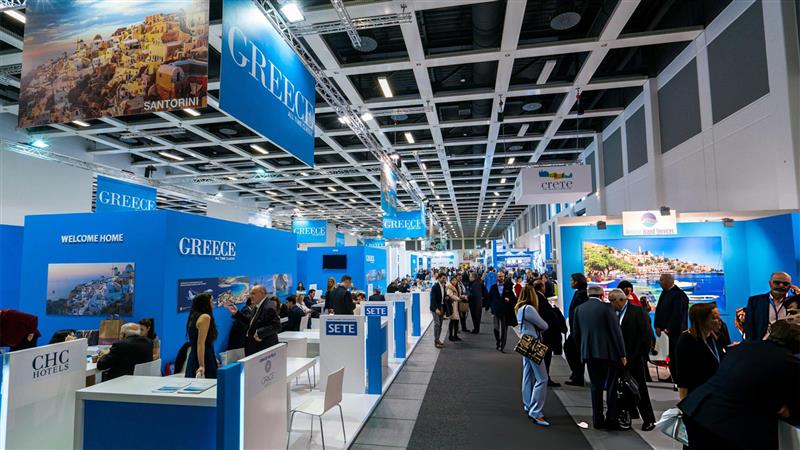
Have you ever struggled to create a connection with your audience at the trade show? Discover the power of research and data-driven trade show strategy. It will not only change the way you connect with your audience. But it also updates your plan for your event from basic to pro level and hits all your targets. So, let’s get started.
The Power Of Data In Event Planning
Today’s trade show market is highly competitive, and following common practices is not enough. What if you let data do the heavy lifting and drive success for you? So, here’s the guide to planning a data driven trade show strategy where numbers and insights will lead your trade show to success.
What Is A Data-Driven Trade Show Strategy
Well, as the name suggests, it is a whole trade show strategy based on the insights gathered before the event. Think of it as having a roadmap created with facts, not just intuition.
Instead of randomly picking booth designs or giveaways, you decide based on metrics like booth traffic, audience preference, and conversion rates. This approach shifts trade show planning from guesswork to actionable insights.
Why A Data-Driven Approach Is The Key To Trade Show Success
Let’s be real: planning a trade show can feel like guessing your way through a maze. But guess what? Data is your shortcut to success. Infact, as per Business Insider, 76% of big businesses rely on data analytics for their marketing efforts.
Moreover, here is why you should choose a data-driven strategy:
1. Attendees’ Preferences And Behaviour
With data on attendees’ behaviour, including what they like most and interact with, you can craft a show that amazes everyone. Whether it’s about discovering their favourite product or sessions, these insights can take you one step ahead.
2. Marketing And Promotions
Numbers don’t lie; that is why analytics are so important to fine-tuning all marketing and promotion campaigns. For the trade show, you can incorporate all the trends and KPIs to fuel your pre-show buzz.
3. Operational Efficiency
Stop wasting energy where it doesn’t matter. Data helps you know all the glitches, pros, and cons to help you smooth the process.
4. Enhancing Networking
Why leave networking to luck? Data can reveal which attendees are perfect for meaningful connections. Match that with personalised touch-points, and turn your event into the place to be.
5. Moving Forward With Data
Post-event feedback is not just for clicks; it is a goldmine for your future planning. Do people rave about your live demos or avoid your QR codes? These insights will help you understand the gaps and build a successful strategy.
What Is A Data-Driven Trade Show Strategy?
Ready to turn your trade show presence from good to great? Let’s break it down step by step: how to gather data, analyse it, and apply insights. So you can achieve a higher return on investment(ROI) for your next big event.
1. Establish Goals And Key Metrics
Start with SMART goals(specific, measurable, achievable, relevant and timebound). For example,
- Generating 150 leads from this trade show.
- Increasing booth traffic by 20% compared to last year.
- Boost posts show follow up engagement by 30%.
When goals are measurable, collecting and evaluating data becomes easier to see whether your efforts are on track.
Pro Tip
Try to break these goals into smaller milestones. For instance, track daily lead generation goals throughout the trade show to stay on pace. You can also set qualitative milestones, such as collecting testimonials, to assess your booth’s impact.
2. Collect The Right Data
The real work to craft a good, factful strategy starts from these steps.
2.1. Identify Target Audience
To collect data, you can use a number of AI-powered tools that will profile potential attendees for you. Consider demographics, job roles, industries, and preferences. The better you know your audience, the easier it is to tailor your strategy.
Tools like CRM systems, attendee registration data, or even social media can provide invaluable insights into your audience. Further, do not stop at broad categories; look for the micro-segments with specific needs or interests.
2.2. Competitor Analysis
No analysis can be completed without this. Check what has worked for your competitors. You can even use tools like Linkedin or social media to get deep insights into their trade show preps.
Are they running any Q&A session that gets attention or running pre-show campaigns, you can get an idea from them. Further, recreate them for your own good.
2.3. Analyse Historical Data
Have you been organising trade shows before? It’s time to look at metrics like booth visits, email, and product signups. Further, was there any specific giveaway that attracted higher foot traffic? Searching for such historical data can help you a lot to get some useful insights. Also, it helps you plan better.
2.4. Send Pre-Show Survey
Reach out to registered attendees via email surveys or polls to understand what they are expecting. For instance, you might ask,” What products or services are you looking forward to? Their answers can really shape your trade show strategy.
Use this insight to not only find your booth strategy but also to improve your marketing strategy. Furthermore, trying to complete the survey boosts participation.
3. Make Data-Driven Decisions
Once you have gathered relevant data, focus on interpreting it to drive impactful choices. Here is a step by step guide for this:
3.1. Analyse Data Patterns
Identify trends and preferences from survey responses and past performance metrics. For instance, if attendees consistently highlight interest in live demos, prioritise this in your booth this time, too.
3.2. Adjust Strategy Accordingly
Use insights to determine key booth features, such as interactive displays or popular product showcases.
3.3. Test Marketing Messages
A/B test messaging during pre-event promotions to find the most effective communication style and tone.
4. Practical Ways To Apply Data Insights
Now that you have collected and analysed data, the next step is to apply this to your trade show planning. Here is how to turn insights into action:
4.1. Refine Booth Layout
Use traffic flow data to optimise the placement of product displays and activity zones. Prioritise highly visited sections while simplifying navigation.
4.2. Better Marketing Materials And Curated Content
Insights on attendee preferences can sharpen messaging in flyers, videos or live presentations.
4.3. Reallocate Resources
Analyse peak booth time and assign staff accordingly to maintain better interactions. Boost staffing during lunchtime traffic spikes or event breaks for maximum engagement.
4.4. Incorporate Engaging Elements
Set up touch screens, product trials, or live demonstrations to attract and retain attendees.
You can take it further by using engagement trends to update your website or online presence. For example, you can revise content that reflects the attendee’s interest.
Common Mistakes To Avoid
To ensure you’re on the right track and avoid all pitfalls, avoid these mistakes while planning. Which are:
1. Ignoring Qualitative Data
Not all insights come from the numbers. Thus, including customer feedback is valuable, too.
2. Data Overload
Focus on the most actionable metrics. Distill data into concise takeaways that teams can implement quickly.
3. Real-Time Blind Spots
Missing on the day metrics can sometimes lead to missed opportunities. Always have another data expert to monitor live data.
4. Weak Follow-Ups
The effort doesn’t stop here; post-events should be continued. A lack of personalised follow-up wastes high-quality leads.
Let’s Start Strategising For Your Trade Show
With the help of powerful insights into data, you can turn a hectic, high-stakes event into a successful one. Every step needs to be rationalised and precise, from setting goals to refining your post-event campaigns.
So, if you are ready to supercharge your next expo, let’s make it happen together. Contact us today for expert guidance and tools to take your event to the next level.