
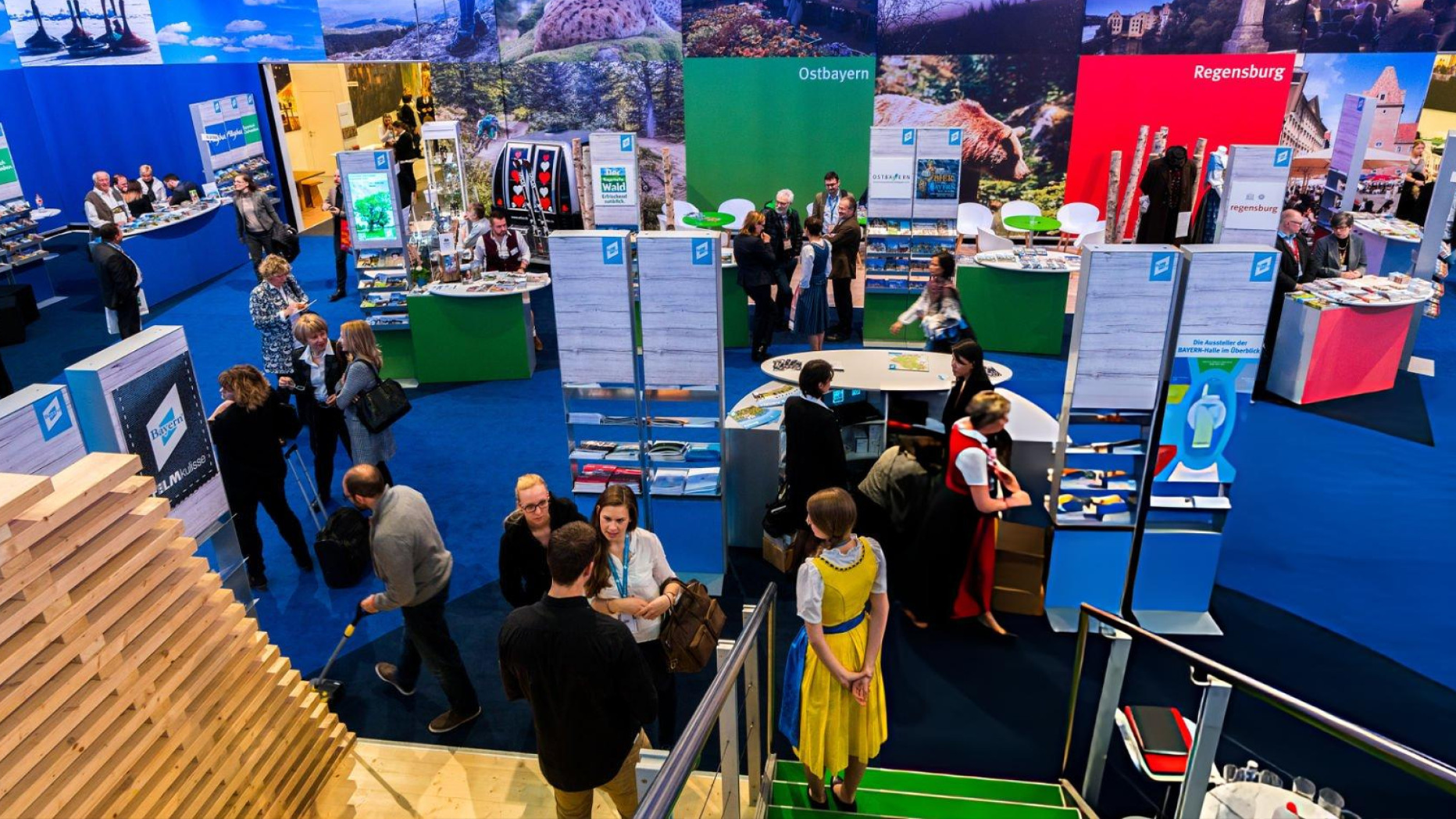
Where it all began, and why it still matters
No one ever talks about the first time two traders locked eyes across a dusty path and realised they needed each other. One had spices. The other had cloth. No fancy banners, no LED screens, just a quiet transaction that meant something to both of them.
Trade shows, in their earliest form, weren’t events. They were encounters. Human exchanges stitched into the flow of rivers, deserts, and dirt roads. Over time, those encounters grew into gatherings, then into markets, and eventually into the structured, high-energy exhibitions we know today.
In the UK and beyond, trade shows have remained a cornerstone of business life, not just for selling things, but for meeting people, sparking ideas, and planting the seeds of what comes next. This is the story of how it all unfolded. From frost fairs to virtual booths. From flint tools to AI-powered networking.
Let’s start at the beginning. Before the lights and logos.
Origin: Where It Started
Long before glossy brochures and LED screens, trade began with simple bartering. Around 3000 BCE, Egyptian merchants gathered near the Nile to exchange spices, textiles, and tools. The Silk Road (200 BCE–1450 CE) turned this into an art form, linking China to Europe. Traders from different cultures met at stops like Samarkand, sharing goods, stories, and even religions.
Trade-like gatherings date back thousands of years. In Mesopotamia, as early as 3000 BCE, people exchanged food, tools, and clothes in early forms of markets.
Over 6,000 years ago, traders exchanged flint tools and animal skins in Britain. These early markets helped peopleshare products and ideas.
Trade fairs became popular during the Middle Ages. The Champagne fairs in France (12th Century) were some of the biggest. Merchants from all over Europe came to buy and sell spices, wool, and textiles.
Another famous fair was the Stourbridge fair in Cambridge. It was one of Europe’s largest trading events, lasting for weeks and attracting traders from many countries.
- Medieval Trade shows in Britain
In the 1600s, Frost Fairs were held on the frozen River Thames. People set up stalls selling hot food, clothes, and handmade goods. There were also fun activities like puppet shows, horse races, and even elephants walking on ice.
As cities grew, more permanent trade hubs were built. The Royal Exchange in London (1571) became a key place for merchants. Over time, these informal markets grew into specialised trade fairs.
The Industrial Revolution & Modern Trade Shows
The 18th and 19th centuries changed trade shows dramatically. The Industrial Revolution brought new machines and faster production, and businesses needed bigger events to showcase their inventions.
- The Great Exhibition of 1851
One of the most famous events was “The Great Exhibition” of 1851. Prince Albert organised it in London’s Crystal Palace. Over 6 million people came to see steam engines, early telephones, and even a biscuit-making machine.
Profits from the event funded the creation of the Science Museum, the Victoria and Albert Museum, and the Natural History Museum, cultural landmarks that still stand today. It also inspired future international trade fairs.
- More trade shows in the 19th century
After “The Great Exhibition,” other big fairs started around the world.
- In Paris, the Exposition Universelle showed new industrial and cultural achievements, and millions of people visited.
- In America, the Chicago World’s Fair (1893) introduced electric lights and the Ferris wheel.
- In 1900, Paris held another world expo, featuring the first escalator.
- In 1909, Germany hosted the Frankfurt Trade Fair, one of the first industry-specific trade fairs.
These events made trade shows more popular and important for businesses.
- Trade Shows In The 20th Century
By the 20th century, trade shows had become more specialised. Businesses moved away from general fairs and began hosting industry, specific expos, from cars to fashion to technology.
- Trade Shows in the UK
London became a top trade show location with events like The British International Motor Show and The Ideal Home Exhibition. Companies used these shows to launch products and network. The Olympia venue, built in 1886, became a popular exhibition space.
- Post-War Trade Show Boom
After World War II, trade shows became even more important. Businesses used them to rebuild and connect with buyers. TV and media coverage made trade shows bigger than ever. The Earls Court Exhibition Centre became a major venue in London.
Trade Shows In The 21st Century
The internet, social media, and digital tools transformed trade shows. Companies now use virtual reality (VR), augmented reality (AR), and AI-powered networking to make trade shows more interactive.
- How COVID-19 Changed Trade Shows
The COVID-19 pandemic forced many trade shows to go online. Hybrid events, mixing physical shows with digital experiences, became popular. However, 78% of visitors still prefer in-person events.
Famous Trade Show Innovations
Over the years, trade shows have introduced many groundbreaking inventions, including:
- Telephone (1876, Philadelphia Expo) by Alexander Graham Bell.
- X-ray Machine (1900, Paris Expo).
- Touchscreen Technology (1982, Expo in Knoxville, USA).
The Future Of Trade Shows
Trade shows are constantly changing. Businesses now focus on eco-friendly methods, AI technology, and digital experiences. In fact, 65% of visitors prefer sustainable exhibitions like recycled materials and digital brochures.
Future Trade Show Trends
- Going Green: Companies use reusable booths and digital materials to reduce waste.
- AI and Automation: AI helps businesses find the right audience.
- Virtual & Augmented Reality: VR and AR create interactive product demos.
- Hybrid Events: Live-streaming allows more people to attend online.
- Personalised Experiences: Data tools help companies tailor booths to visitors’ interests.
Biggest Trade Shows In The World Today
Some of the most famous trade shows happening include:
- CES (Las Vegas, USA): Focuses on new technology like smart gadgets and AI.
- Mobile World Congress (Barcelona, Spain): The biggest mobile phone and internet event.
- Hannover Messe (Germany): A massive fair for industrial technology.
- London Book Fair (UK): A major event for publishers and authors.
Why Trade Shows Still Matter
Some say trade shows are outdated, but stats show otherwise:
- 85% of marketers say trade shows help get new customers.
- 1 in 4 visitors is a CEO or senior decision-maker.
- The UK trade show industry supports over 130,000 jobs.
How to Succeed at Trade Shows
Want to stand out? Follow these tips:
Before the Trade Show
- Plan Early: Book space months in advance.
- Set Goals: Decide if you want to get new clients, launch a product, or grow your brand.
- Create Eye-Catching Displays: Use bright colors, engaging videos, and interactive elements.
- Train Your Team: Make sure they know how to talk to customers and showcase products.
During the Trade Show
- Engage Visitors: Offer live demos, free samples, or contests.
- Collect Contacts: Get visitor details for follow-up.
- Use Social Media: Share updates using hashtags and live videos.
After the Trade Show
- Follow Up Quickly: Send emails or calls within 48 hours.
- Analyze Results: See what worked and what needs improvement.
- Stay in Touch: Build long-term relationships with leads.
Final Thoughts
Trade shows have changed a lot from flint traders in ancient Britain to AI-powered booths today. They still help businesses grow and make connections. Whether in-person or online, trade shows continue to mix tradition with technology, creating exciting business opportunities.
If you’re planning a trade show in the UK and want it to stand out, EMS Exhibitions can help with years of experience and a full suite of exhibition essentials. From striking visuals to practical flooring solutions, we’re here to make your next event successful.