
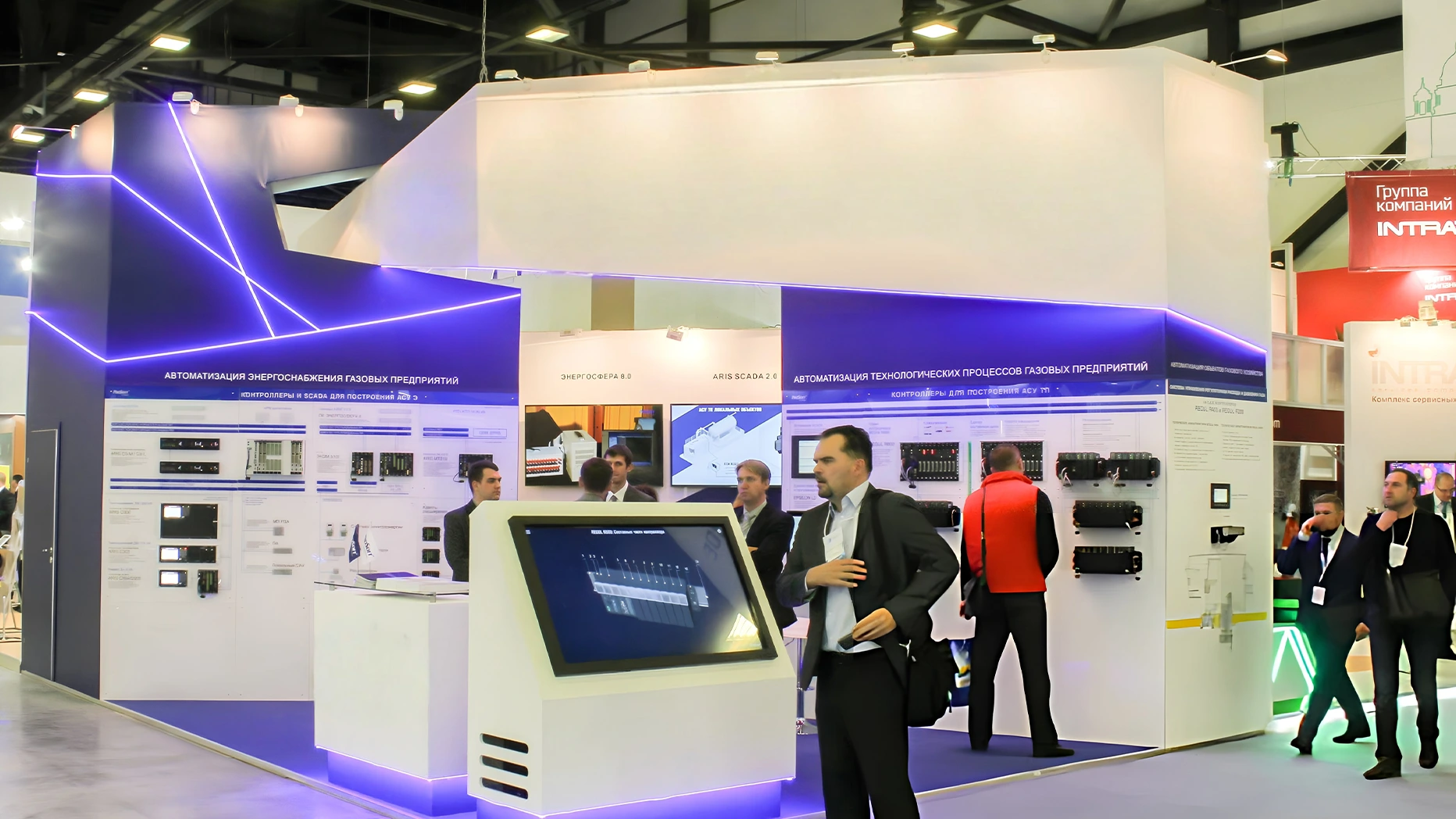
Whether you are aiming to host a trade show, exhibition, or any other corporate event, a clear, well-executed event theme gives structure, coherence, and measurable marketing impact. It shapes the visual language, sets expectations, and guides decisions on venue styling, stage design, audiovisual content, and promotional assets. When your themed event is implemented consistently, it strengthens event branding, improves audience recall, and increases promotional effectiveness across every channel.
Why Your Event Theme Matters
Emotional Context
Themes create an immediate read on tone and purpose. Guests understand whether the experience is formal, playful, futuristic, or heritage-led the moment they arrive. That quick cue helps people settle and links your brand to a feeling that lasts beyond the programme.
Cohesion Across Touchpoints
Without a defined theme, signage, decks, stage backdrops, staff uniforms, and giveaways can drift. With a theme, typography aligns with colour palettes, catering supports the mood, and motion graphics and walk-on music reinforce the concept. The whole environment feels intentional rather than pieced together.
Engagement And Social Media
Themed spaces invite exploration and user-generated content. Recognisable photo points and set pieces encourage short-form video and selfies that carry your event marketing further. Eventbrite reports that strong visual and emotional storytelling can drive up to three times more social shares than events without it.
How Themes Improve Promotional Effectiveness
Creative Production
A defined concept simplifies asset creation for event promotion. Once the theme is set, designers can build consistent materials for posters, emails, landing pages, paid social, PR kits, and LED wall content without reinventing each item. Audiences recognise the event at a glance in crowded feeds.
Narrative-Led Campaigns
Teasers, countdowns, and reveals make sense when they sit under one idea. You can preview set details, colour stories, and signature motifs while aligning hashtags, copy lines, and press imagery. The result is a coordinated drumbeat rather than disconnected posts.
Ticket Sales And On-Site Interaction
Named concepts are more clickable than generic titles. Skyline Soirée signals atmosphere and experience, which improves click-through compared with a plain label. On site, coherent environments increase dwell time, aid sponsor visibility, and prompt lead capture through natural movement and curiosity.
Post-Event Marketing
A unified look simplifies highlight reels, thank-you emails, and social recaps. Branded frames and filters extend user-generated content, while consistent templates make editing faster and more faithful to the event branding.
Choosing The Right Theme
Audience Insight
Map demographics, seniority, sector norms, cultural context, and accessibility needs. Executives at a financial summit may prefer precision and restrained luxury. Creators at a digital festival may value bold colour and playful interactivity.
Objectives First
For brand awareness, choose a visually distinctive concept that photographs well and reads from a distance. For lead generation, emphasise interactivity with guided demos and clear journeys. For networking, prioritise comfort, lighting, and flow so conversation comes first.
Venue Fit
Work with the architecture, not against it. Rooftops suit city and sky concepts. Listed halls favour heritage or modern contrast. Black-box studios offer full control if budget supports scenic builds and lighting. Check height, rigging, power, sightlines, and acoustics before committing.
Scalability
A viable theme must extend across invitations, microsites, registration flows, wayfinding, stage graphics, motion assets, speaker templates, staff clothing, gifts, and follow-up content. If it breaks at badges and lanyards, simplify to two or three strong elements.
Shareability
Ask whether guests will want to photograph the environment and whether there are clear focal points for short-form video. Ensure the concept translates into a memorable hashtag or tagline without obstructing circulation or safety.
Practical Theme Ideas By Event Type
Corporate Conferences
Use future-focused language without gimmicks. Precise typographic grids, subtle metallic accents, and dynamic lighting states that shift with session energy keep attention high while preserving clarity for presentations.
Product Launches
Neon Nights suits electronics and gadgets when paired with concise messaging, reflective materials, and controlled haze to catch beams. Minimal Luxe fits skincare and fashion with tactile surfaces, warm whites, and clean lines that support macro filming. Interactive Playground works for apps and games where visitors test features and share progress.
Fundraisers And Galas
Midnight Garden builds depth with layered foliage and dappled projection. Roaring Twenties balances geometric pattern, serif display type, and live jazz without crowding the stage. Masquerade offers drama and an easy dress cue that boosts participation.
Employee Events And Team-Building
Survivor Challenge promotes collaborative problem-solving outdoors with clear rotation schedules and risk assessments. Retro Arcade taps nostalgia with pixel motifs and playful scoreboards. Colour Fest invites inclusive, high-energy interaction that photographs well and remains manageable.
Trade Shows And Exhibitions
Unify booth architecture, experiential zones, and lead-capture points under one concept. Themed sightlines improve traffic flow, while consistent cues on screens, plinths, and giveaways support event branding and conversion.
Also read: The Importance of Exhibition Hall Layout
Implementing The Theme Across The Timeline
Before The Event
Thread the concept through invitations, registration pages, and social posts using a shared palette, type system, and key visuals. Release detail shots of materials, stage graphic reveals, and behind-the-scenes clips. Confirm accessibility with sufficient colour contrast, captions on motion, and alt text on hero images.
During The Event
Make the entrance read instantly without slowing arrival. Keep wayfinding legible and place photo points where they do not block circulation. Align lighting looks and screens to the palette and patterns. Provide speakers with branded templates so decks remain on-theme.
After The Event
Edit a highlights reel in the established graphic package. Schedule stills and clips over several days to maximise reach. Send thank-you emails with themed headers and concise copy that link to galleries or on-demand sessions. Re-share attendee posts that use your frame or filter to extend social media engagement.
Measuring Impact And ROI
Awareness Metrics
Track impressions, reach, and brand lift where available. Compare performance of themed assets against generic controls to quantify the effect of event branding.
Acquisition Metrics
Measure click-through rates, cost per acquisition on paid campaigns, and pre-registration uplift following creative reveals. Evaluate the impact of named concepts on ticket sales and sign-ups.
On-Site Metrics
Analyse dwell time in priority zones, interaction with demos, and conversion from scans to qualified leads. Where possible, use heat maps to validate flow and identify bottlenecks.
Retention And Advocacy
Assess volume and quality of user-generated content, hashtag usage, video completion rates, and the longevity of post-event conversation. Roll findings into a simple scorecard for the next edition.
Common Pitfalls And How To Avoid Them
Over-Literal Execution
Props-heavy staging can feel childish or inflexible. Aim for suggestion through light, texture, pattern, and sound unless theatricality is the goal.
Fragmented Delivery
Mixed direction leads to inconsistency. Issue a concise theme guide with colour values, type styles, image treatments, motion rules, and examples of correct and incorrect use.
Accessibility Gaps
Keep routes clear, signage readable, and provide captioning or audio description where appropriate. Consider neurodiversity in lighting, motion, and sound design.
Budget Creep
Align creative ambition with rigging capacity, power, schedules, and crew availability before locking designs. Prevent late scenic additions that strain logistics.
Make Your Theme Work For You
A well-chosen, well-delivered event theme is a practical tool for design, communication, and performance. Treat it as the framework for every touchpoint rather than decoration. You will strengthen event marketing, improve brand awareness and lead generation, and extend social media engagement long after the doors close.