
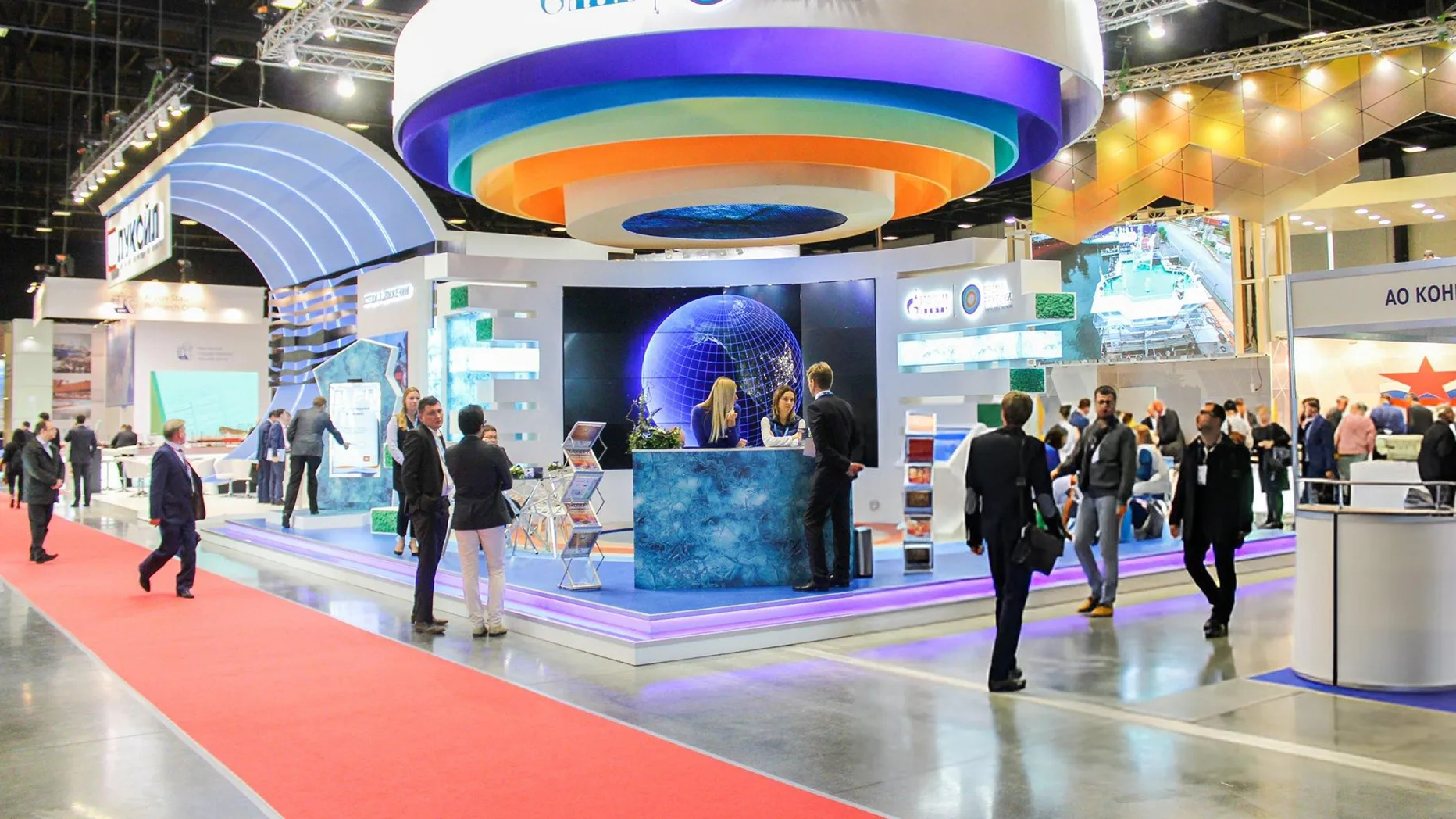
You can enhance trade show engagement with digital integration by using simple, well-planned tools like touchscreens, QR codes, AR, digital signage and lead capture apps to make your stand interactive, memorable, and measurable.
You know that feeling when you’ve spent weeks planning a stand and on the day, most people just walk past, checking their phones?
You’ve got good people on the stand. The product’s strong. The graphics are fine. But the conversations feel slower than they should be, and by the end of the show, the feedback sounds like: “Yeah, it was busy… I think?”
That’s usually not a product problem. It’s an engagement problem.
Most visitors now expect to discover information the way they do everywhere else in life, on screens, on their phones, and at their own pace. When your stand stays purely physical and static, it’s competing against habits it can’t beat.
Add the right digital layer, a touchscreen here, a QR journey there, a short video loop, a simple game, a clean lead capture form and the energy on the stand changes. People poke, scan, tap, watch, and thentalk. And you walk away with more than a stack of business cards and a gut feeling.
Why Digital Integration Matters On Today’s Trade Show Floor
Digital tools don’t just “look modern”; they increase engagement, extend dwell time, and give you hard data instead of non-serious leads.
Recent studies on exhibition design and event tech show that stands using interactive technology can see up to 300% increases in visitor engagement and around 45% longer dwell times compared to static booths.
Another analysis found that interactive tech can lift engagement by up to 44%, and data-driven follow-up can improve post-show lead conversion by 30%. Momencio
At the same time, digital signage has quietly become standard. One industry review reports that 93% of manufacturers already use digital signage to enhance the audience experience at trade shows and exhibitions, with many citing increased engagement and better communication as the main benefits.
In other words, this is not about “adding a gadget”. It’s about keeping up with the way attendees now expect to discover information: on screens, on their phones, and on their own terms.
Core Principles Of Digital Engagement At Trade Shows
Forget the shiny tech for a moment, the goal is to help visitors explore, decide and stay connected, with as little friction as possible. When you strip it back, effective digital integration at trade shows follows a few simple principles:
- Self-service first: Not everyone wants to speak to a salesperson straight away. Touchscreens, tablets and QR-linked content let shy or busy visitors browse quietly until they’re ready to talk.
- Low-friction interaction: Scanning a code, tapping a screen, answering a two-question poll, it should feel easy, not like filling a tax form.
- Value for data: If you’re asking for details, give something real in return, a useful download, a tailored recommendation, a prize draw that feels worth entering.
- Continuity after the show: A live experience should lead to an online touchpoint, a follow-up email, a virtual booth, and an on-demand demo. So, the conversation doesn’t end at the exit door.
Get these principles right, and the specific tools: AR, social streams, digital twins, start working together instead of feeling like disconnected gimmicks.
Practical Digital Tactics You Can Use On Your Stand
Start with simple digital upgrades, screens, codes, lead capture and build up to more immersive tools as budget, time, and audience justify it.
- Touchscreens And Tablets
Touchscreens give visitors a quiet way to explore, while your team focuses on deeper conversations.
Not everyone wants to be greeted within two seconds of arriving; some people like to look, read, or tap around before speaking. A well-placed tablet or large touchscreen can:
- Show your product range and key benefits.
- Play short, looping explainer videos.
- Let visitors answer a simple question like “What are you trying to fix this year?”
- Collect quick feedback or preferences.
- Capture email addresses for demos or resources.
For your team, this keeps casual browsers occupied while sales staff handle serious inquiries. For visitors, it feels like freedom rather than pressure.
- QR Codes And Mobile Journeys
QR codes turn printed surfaces into doors to deeper content without stuffing people’s hands with brochures.
Placed on walls, product plinths, or counters, QR codes can link to:
- Product landing pages.
- Short case study videos.
- “Show-only” offers or discount codes.
- Multi-language content for international visitors.
They’re fast, cheap, eco-friendly, and they let visitors leave with a live link instead of a paper leaflet that goes in the bin. Many exhibitors now use QR-linked micro-sites or PDFs instead of printed catalogues altogether.
- Live Social And Real-Time Content
Bringing the show online amplifies your reach far beyond the people who physically walk past your stand. Going live from your stand on platforms like Instagram, LinkedIn, or TikTok turns trade shows moments into content:
- Short live product demos.
- Quick interviews with customers or experts.
- Behind-the-scenes setup glimpses.
- Live Q&A or small giveaways.
Tie this into your digital signage, for example, display a live hashtag feed on a screen, and visitors become part of the story as they post.
- Augmented Reality And Immersive Experiences
AR helps people “see” things you can’t realistically bring to the stand, or understand the inside of complex products.
With AR on tablets or visitors’ own phones, you can:
- Let them explore 3D models of machines, buildings or systems.
- Show the inside workings of a product that’s sealed in real life.
- Place large items “into” the space virtually.
- Offer guided AR walkthrough layer by layer.
Done well, AR adds a genuine “wow” factor and simplifies complex explanations, not just a party trick.
- Gamification And Digital Contests
Games make people stop, smile, and stay long enough for a proper conversation. Simple on-screen activities can be surprisingly effective:
- Spin-to-win wheels.
- Quick quizzes or polls.
- Tap-to-reveal prizes.
- Digital raffles.
Every entry is a potential lead. Offer prizes that match your brand (not just generic freebies) and make sure the data you collect as areas of interest feeds straight into your post-show follow-up.
- Digital Signage And Dynamic Messaging
Moving content pulls eyes; static posters fade into the background. Large screens or LED panels can:
- Show your key messages in short loops.
- Display customer quotes or stats.
- Promote the next live demo time.
- Pull in social posts or video clips.
Digital signage is now considered a must-have by many exhibitors because it boosts attention, reduces printing costs, and can be updated on the fly.
- Free Wi-Fi, Charging And Dwell Spaces
If you help people rescue their phone battery, they’ll remember you, and they’ll stay long enough to see what you do. Offering branded charging points or a small seating area with Wi-Fi gives you:
- A natural reason for people to stop.
- Time to play a promo video nearby.
- A chance to collect an email in exchange for access.
In a long trade show day, a chair and a charger can be more attractive than any slogan. Build from that goodwill.
- Digital Lead Capture Tools
Paper forms get lost. Lead capture apps don’t. Modern lead capture tools on tablets or phones allow you to:
- Scan badges or business cards.
- Tag interests and follow-up actions.
- Trigger instant confirmation emails.
- Push leads straight into your CRM.
Some platforms now layer in analytics and scoring, helping you prioritise high-intent visitors after the show.
- A Virtual Twin Of Your Booth
A digital twin extends your stand into a space people can revisit long after the venue closes. A “virtual booth” or digital twin can include:
- A 3D model or 360° walk-through of your stand or showroom.
- Clickable hotspots for videos, specs and downloads.
- Embedded forms for demos or meetings.
- Links from QR codes used at the live event.
This isn’t about replacing the physical show. It’s about stretching its life, for people who couldn’t attend, and for those who want to revisit later.
Mistakes To Avoid With Digital Trade Show Engagement
Most digital flops come from overcomplication, under-testing, or forgetting the human on the other side of the screen.
Watch out for:
- Gadget chasing: Adding AR or VR “because it’s cool” without a clear purpose.
- Poor testing: Installing new apps or content the night before the show.
- No backup plan: Relying on Wi-Fi for everything with no offline content.
- Overlong forms: Asking for too much data in one go, or making sign-up tedious.
- No follow-up: Collecting leads and then letting them sit in a spreadsheet.
The most impressive stands aren’t always the most complicated. They’re the ones where everything works, staff know what each tool is for, and visitors leave feeling they’ve gained something useful.
Making Digital Work With Your Stand Design And Infrastructure
Tech only works if the stand, power and support are ready for it. Touchscreens, AR rigs, and LED walls all need power, signal, and sensible positioning. If you don’t plan those, the clever idea is the first thing to fail.
This is where full-service exhibition contractors in London and across the UK, like EMS-Exhibitions, quietly make a huge difference. We supply shell schemes, exhibition stands, AV equipment, power, carpets, graphics and exhibitor portals. So, digital tools are integrated into the stand rather than bolted on at the last minute.
FAQs
Do I Need A Big Budget To Integrate Digital Tools At A Trade Show?
Not necessarily. Touchscreens, QR codes and basic digital signage can be done on modest budgets. The key is planning and making sure each tool has a clear job. Also, renting equipments from EMS Exhibitions saves you alot of your budget.
What’s The Easiest Digital Upgrade For A Small Stand?
Start with one or two tablets for self-service content and a lead capture app, plus QR codes linking to key pages or downloads. They’re simple, low-risk and immediately useful.
How Do I Measure Whether My Digital Tools Worked?
Track things like scans, form completions, content views, dwell time and leads generated. Compare shows over time and tie event data to your CRM so you can see which tools fed real opportunities.
Are AR and VR Worth It For Every Exhibitor?
No, AR (Augmented Reality) and VR (Virtual Reality) are not worth it for every exhibitor; their value is highly dependent on specific objectives, budget, target audience, and type of product or service being showcased. They are powerful tools for creating memorable, immersive experiences.
Do I Need Technical Staff On The Stand To Use These Tools?
You don’t need a full IT team, but you do need staff who are comfortable with the tools, know how to reset things, and have someone they can call (your event tech supplier or exhibition contractor) if something goes wrong.