
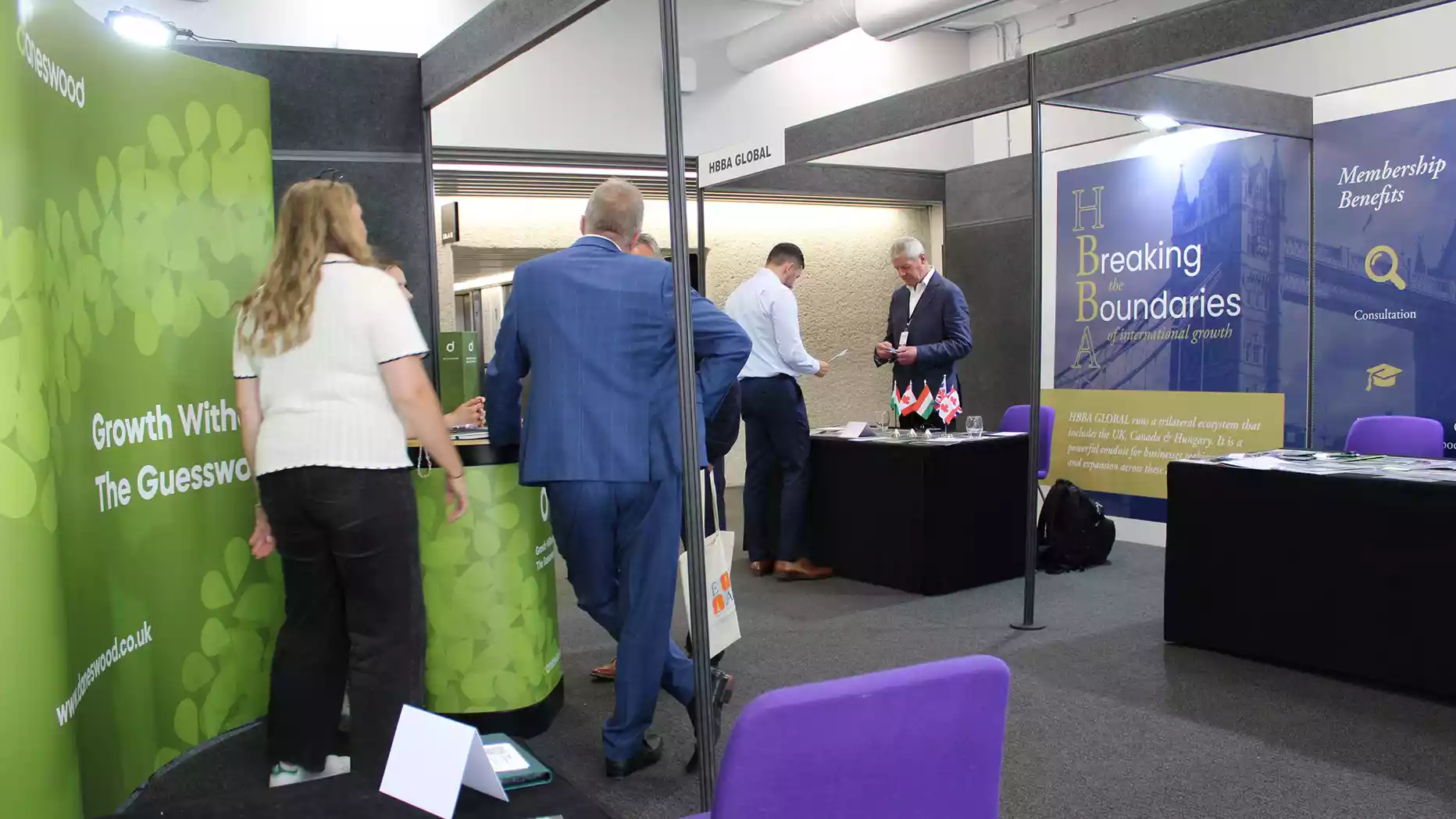
A winning trade show event marketing plan covers three stages: before, during, and after the show. You build awareness before the doors open, create experiences that attract and engage people on the floor, and follow up fast once it’s over. Each stage supports the next, turning a few busy days into months of valuable business growth.
There’s a fine line between simply showing up at a trade show and actually making it work for you. Most exhibitors arrive with glossy banners, stacks of flyers, and a vague hope that people will wander in. The smart ones? They arrive with a plan, one that starts weeks before and doesn’t end when the booth comes down
Trade shows aren’t just about standing under bright lights; they’re about creating real conversations that last beyond the event hall. A good marketing plan keeps your energy focused where it counts, on clear goals, genuine engagement, and timely follow-up.
Think of it as a simple rhythm: prepare early, show up ready, and follow through quickly. In this guide, we’ll walk through how to shape a trade show event marketing plan that covers every stage: from the buzz you build before the show to the relationships you nurture afterwards.
Why a Plan Wins Before You Arrive
A plan turns chaos into rhythm.
Structure Over Chance
Trade shows are loud, crowded, and full of distractions. Without a plan, all that noise swallows you whole. With one, every post, handshake, and follow-up fits together. You know what needs doing before the doors open, what your team should say when visitors arrive, and how to carry the conversation long after the show lights fade.
Why It Matters
Having a structured trade show marketing strategy saves time, keeps the message consistent, and turns small interactions into measurable results. It also helps control costs and stops last-minute decisions from eating into the budget.
Phase 1 – Pre-Event Promotion
The most successful booths are built in the weeks before the show.
Set Clear and Simple Goals
Start by deciding why you’re exhibiting. Are you launching a new product, collecting leads, or building awareness? Defining goals early shapes every later choice. Use SMART goals (specific, measurable, achievable, realistic, and time-bound) to keep the plan focused.
- Choose the Right Show
Not every event is worth attending. Research who goes there and whether they match your target audience. A smaller show with the right crowd often beats a big one full of the wrong people.
- Start Building the Buzz
Begin your campaign six to eight weeks before the show. Post teaser videos or photos on social media using the event hashtag. Send short, personal emails to current clients or warm prospects. Let people know what they’ll see at your booth and why it’s worth the stop.
- Design a Booth That Matches Your Brand
Use the same tone, colours, and visuals found in your existing marketing. Keep layouts open, the lighting soft, and the signage clean. If you’re using a custom exhibition stand or shell scheme hire, keep it simple and accessible. Visitors should be able to walk in easily and understand your offer in seconds.
- Train Your Team Beforehand
Hold a short run-through the week before. Assign who greets, who demos, and who logs leads. Clear roles make your stand feel calm and organised once the rush begins.
Phase 2 – On-Site Engagement
The show floor is where plans meet people.
- Design That Speaks for You
Your booth becomes your story in three dimensions. Visitors pass hundreds of stands, so yours must feel clear, not loud. Keep it bright, tidy, and open. Place your headline and main image at eye level, and let light do the quiet work: warm, backlit, and balanced.
- Make Visitors Part of the Story
Movement catches the eye. Use looping demos, hands-on trials, or simple digital games to draw people in. A calm host who invites interaction often outperforms flashing screens.
- People Before Pitch
Your staff should act like hosts, not guards. Smile, make eye contact, and keep phones away. Ask open questions instead of reciting lines. People prefer real conversations to rehearsed spiels.
- Capture the Moment
Take short clips and candid photos of your space in action. Share them live on social media to expand your presence beyond the hall. A booth that looks alive online attracts even more visitors in person.
Phase 3 – Post-Event Follow-Up
The show may end, but the marketing has just begun.
- Follow Up Fast
Within a few days, send thank-you emails. Mention the chat you had or a small detail they’ll remember. Include one clear next step: book a demo, download a guide, or request pricing.
- Keep Your Leads Organised
Upload every contact into your CRM or spreadsheet. Tag them by interest: hot, warm, or curious, and assign someone to follow up again later. Good organisation turns handshakes into opportunities.
- Stay Connected
Send LinkedIn invitations while the event’s still fresh. Comment on posts, share photos, and keep your brand visible. Light, steady contact builds familiarity without pressure.
- Review and Refine
After the dust settles, review your goals. Did you meet your target? Which visuals or demos worked best? Each lesson shapes a sharper post-event marketing strategy for next time.
Recommendation: Design That Supports the Plan
A great booth layout helps your plan breathe.
- Open Space and Soft Light
Avoid tables that block entry. Use layered lighting: an overhead glow mixed with backlit panels for depth. If you travel often, a modular or portable exhibition stand saves time and adjusts to different venues.
- Comfort Invites Conversation
Add stools, small tables, or a water stand from event furniture hire. When visitors pause, they talk more and often share more useful details.
Speaking Slots and Partnerships
Visibility goes beyond your booth.
Apply early for speaking sessions or short workshops. Sharing insights puts your brand in front of decision-makers and sends them straight to your stand afterward. While you’re there, explore the floor. Notice which booths pull the biggest crowds and ask why. Sometimes it’s design, sometimes it’s flow. Learn and adapt. Trade shows also open doors to partnerships; brands nearby may complement yours. One chat can turn into a long-term collaboration.
Measure What Matters
You can’t improve what you don’t track.
After every show, gather your team and review performance. Count leads, meetings, and conversions. Check how your social posts performed and compare costs to results. Keep an exhibition marketing checklist updated with what worked best. Over time, this becomes your personal playbook for success.
A Simple Timeline to Keep You Steady
Eight weeks of calm prep beat one week of panic.
Start early: eight weeks out, choose the show and set goals. Six weeks before, begin social and email outreach. Three weeks out, train your team and finalise visuals.
During the show, focus on real conversations and content capture. Within three days afterward, send follow-ups and connect on LinkedIn. Two weeks later, post your recap and review your numbers. Consistency keeps you sane.
Plan Early, Stay Human, Follow Through
Trade show success comes from timing, tone, and care.
A clear trade show event marketing plan keeps you grounded through the noise. It guides you from the first teaser post to the final thank-you note. When your booth feels open, your message stays simple, and your team sounds genuine, you don’t just show up; you stand out.
That’s how a few busy days on a trade-show floor turn into months of strong leads, new partnerships, and lasting impressions.
Explore modular stands, soft lighting, and complete event-support options with EMS Exhibitions to bring your next marketing plan to life.
FAQs’
Why do I need a trade show event marketing plan?
Because structure turns a noisy weekend into meaningful results.
When should I start promoting the event?
Six to eight weeks before is ideal. Build awareness slowly, then push harder near the date.
What makes a booth engaging?
Open design, friendly staff, and subtle motion, simple things done well.
How soon should I follow up?
Within two or three days, while you’re still fresh in people’s minds.
How do I measure success?
Compare leads, sales, and engagement with the goals you set. Improvement is the goal, not perfection.