
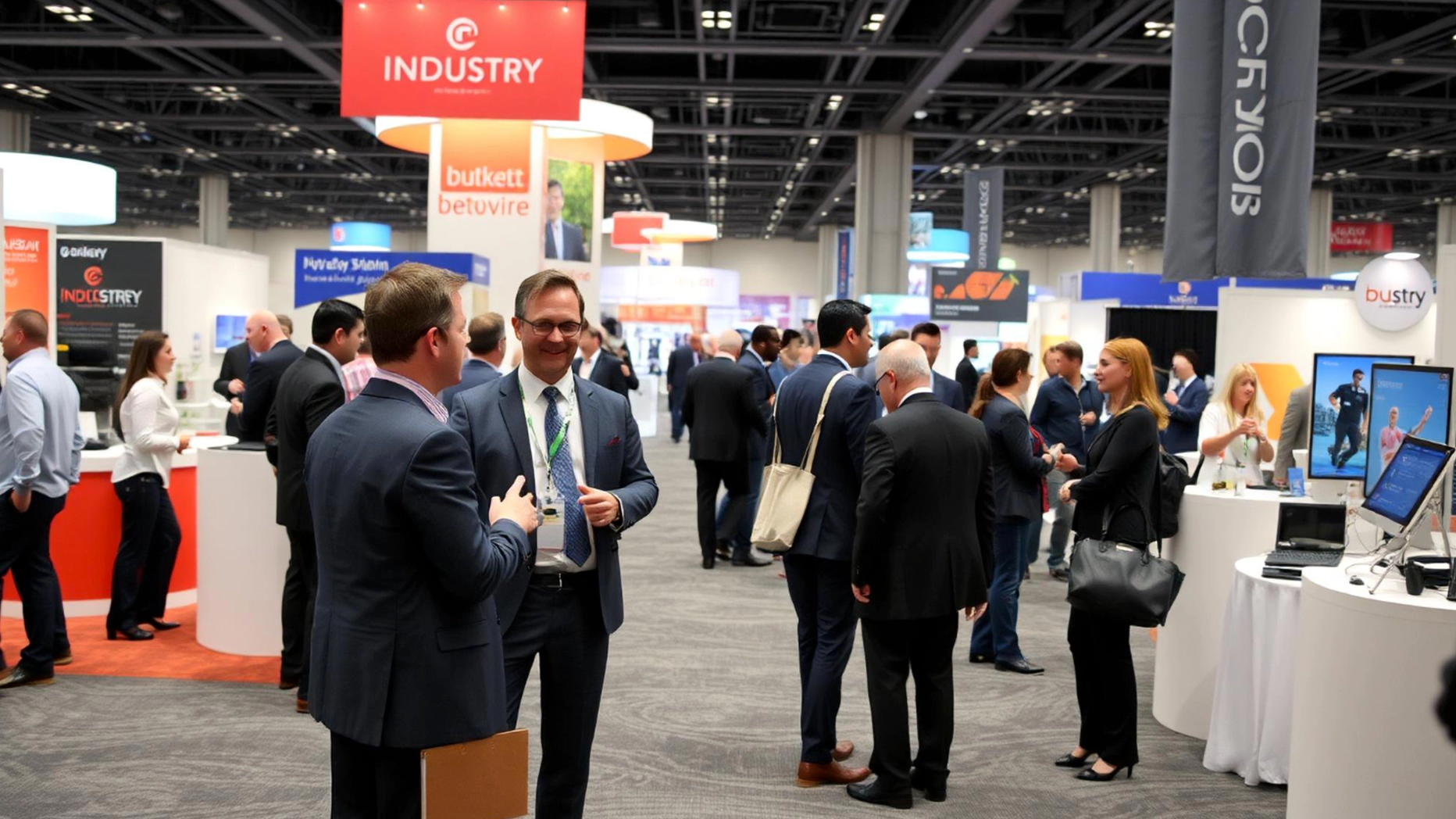
To turn trade show leads into clients, focus on two things: solid lead capture during the event and a thoughtful, personal follow-up afterward. Use smart tools, real conversations, and steady persistence to turn interest into trust, and trust into business.
Trade shows are full of energy. You meet dozens of people, swap cards, shake hands, and by the end of the week, your pockets are full, but your pipeline isn’t. The stand looked great. The footfall was good. Yet only a handful of those names ever call back.
That’s not a design problem; it’s a problem of follow-through. Trade show training fixes that.
What Trade Show Training Actually Means
Trade show training gives your team the skills and confidence to turn casual chats into qualified leads.
It’s not about being slick. It’s about being prepared, knowing what to say, what to ask, and when to stop talking.
Good training teaches people to listen well, ask better questions, and recognise genuine opportunities instead of chasing every badge that walks by. It replaces nervous selling with quiet confidence.
At the Trade Show: Lead Capture And Engagement
Engage with intent, gather information cleanly, and make the exchange worthwhile for both sides.
- Engage and Qualify
Don’t open with “Can I help you?” Try “What brought you to the show?” or “Which part of the sector are you in?” You’ll learn more, faster.
- Capture Information
Use tablets or QR-linked forms instead of scraps of paper. They look professional and feed straight into your database. Make sure it’s GDPR-compliant; no one likes a surprise email.
- Offer Value
Give people a reason to share their details. Maybe it’s an invite-only demo, a resource they can download, or a competition that feels worth their time.
- Use Digital Tools
Personalised QR codes, branded hashtags, or quick polls can keep visitors engaged while quietly building your contact list.
After The Show: Follow-Up And Conversion
Follow up within two days while you’re still fresh in their mind, then stay consistent.
- Prioritise Leads
Not every chat deserves a full campaign. Focus on those with real interest or near-term plans.
- Make It Personal
A short message that says, “We talked about your product launch, here’s that info I promised,” beats a glossy mailout every time.
- Use More Than One Channel
Send an email, follow on LinkedIn, or share a note through social media. Gentle persistence feels human; spam doesn’t.
- Keep Nurturing
Some leads take months. Stay useful. Share insights, case studies, or invite them to your next event. Keep showing up without forcing a sale.
- Reflect And Adjust
After every event, check what worked. Which messages landed? Which tools helped? The best teams learn while they follow up.
Before The Next Event: Build A Conversion Mindset
Great follow-up begins with great prep.
For example, you can set goals, know what “success” means before you walk onto the floor, decide who on the team attracts, who presents, and who logs. The other way is to rehearse demos until they sound natural and confident, not scripted and plan how you’ll engage and entertain trade show clients once they stop at your stand.
You can’t control who walks by your stand, but you can control how ready you are when they do.
Measuring What Actually Matters
Judge performance by conversations that turn into sales, not how busy the stand looked.
Count meetings booked, proposals sent, and deals closed. Work out your cost per lead and the value of what came back.
Once you track this honestly, you’ll know which events earn their keep and which just keep you busy.
Why Training Always Pays Off
A confident team creates results no display can buy.
You can rent lights, screens, and furniture. But confidence, the quiet kind that listens, responds, and knows when to follow up, has to be built.
Event organisers and trade show partners in London, such as EMS Exhibitions, see it often: two identical stands and the same crowd, but one team leaves with real leads because they were ready for real conversations.
Creating A Complete Trade Show System
The best results come when good people meet good infrastructure.
When your setup, power, and graphics are handled by professionals, your staff can focus on people, not on fixing problems. That’s why many organisers lean on experienced contractors for shell schemes, AV, and logistics. A tidy stand buys you time to listen, not fix problems.
Bottom Line
Trade shows are marathons disguised as sprints. The real work happens after the lights go out, when the follow-up begins.
A well-trained team knows how to keep those conversations alive. They follow up quickly, write like humans, and listen harder than they talk. That’s how leads turn into clients.
If you’re planning your next exhibition, talk to reliable UK event contractors such as EMS Exhibitions, who can handle the build, power, and setup, so your people can focus on what counts: the conversations.
FAQs
1. What Is Trade Show Training?
It’s about teaching your team how to talk to visitors naturally, qualify interest, and follow up effectively, so the event pays off after it ends.
2. How Soon Should I Follow Up After A Trade Show?
Within 48 hours. A quick, genuine follow-up keeps your conversation alive and builds trust before the visitor forgets the details.
3. How Do I Capture Leads Efficiently At The Show?
Use tablets, QR codes, or mobile forms linked to your CRM. They’re cleaner, faster, and make data easier to manage later.
4. What’s The Best Way To Prioritise Leads?
Rank them by intent and potential fit. Contact the most promising ones first, and nurture the rest steadily over time.
5. Should I Use Professional Help For The Stand Setup?
Yes. Working with experienced exhibition service providers saves you stress and ensures your focus stays on engagement, not equipment.